Youth Soccer Tours to Spain: A Complete Guide
14 April 2026 · Juan Sanchez, Director, Odisea Tours

14 April 2026 · Juan Sanchez, Director, Odisea Tours
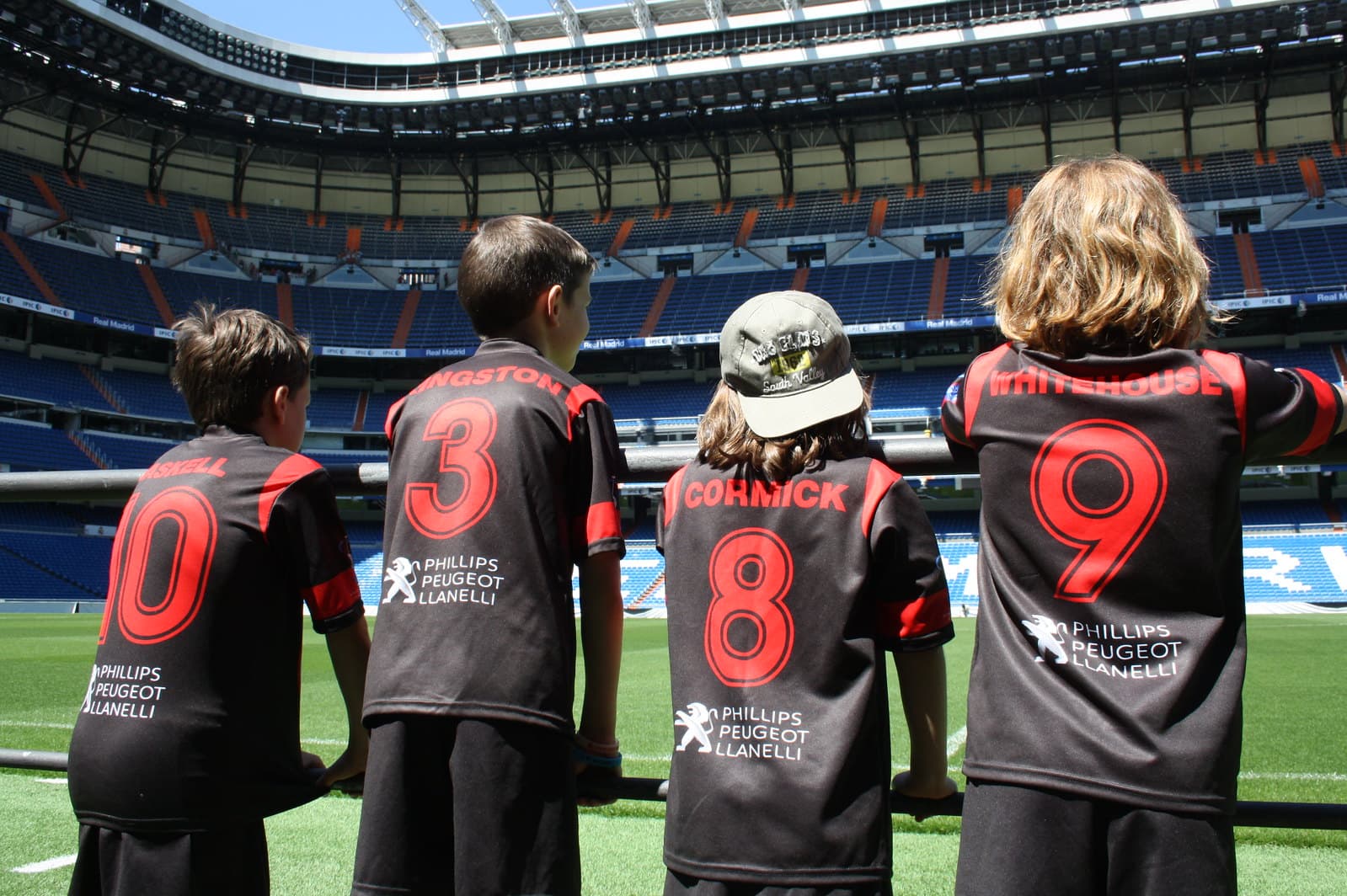
A youth soccer tour to Spain is not a vacation with matches attached. It is the other way around. Everything in a good Spain tour, the hotel, the bus, the rest day, the museum afternoon, is built to serve the football, and everything we have learned in twenty years of organizing these trips comes back to that single ordering. When a tour works, the players come home changed. When it does not, they come home with souvenirs and a sore ankle. The difference is almost entirely in how the trip was designed.
The teams that come to us are mostly the same shape. Twelve to twenty-five players, two or three coaches, a handful of parents, an age somewhere between U13 and U19. About seventy percent of our youth soccer tours to Spain groups are from the United States and Australia. They arrive with three things already decided, how many days they have, how much they can spend, and whether they want to see Madrid or Barcelona first, and almost nothing else. Everything after that is ours to build.
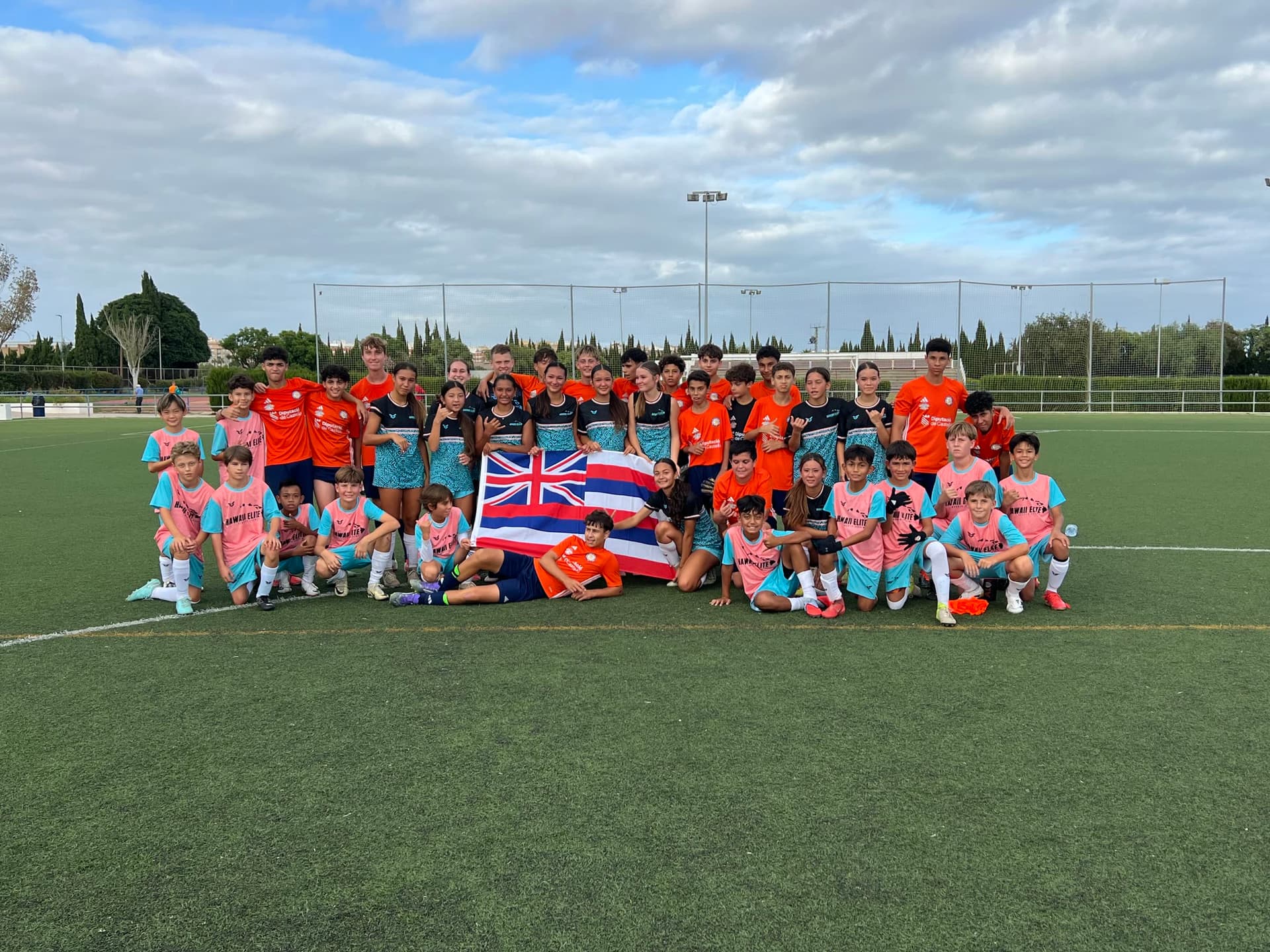
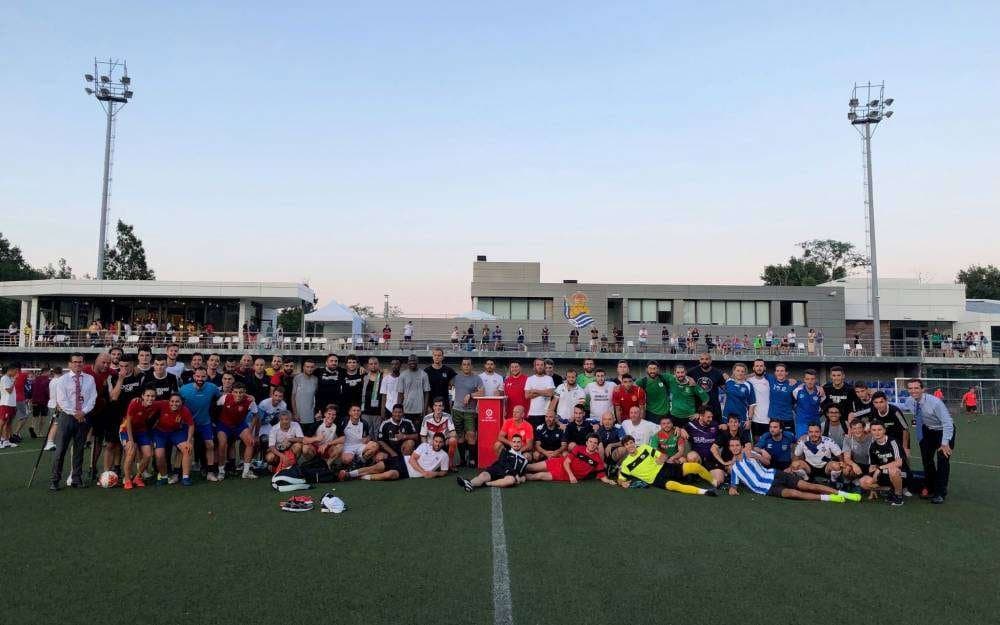
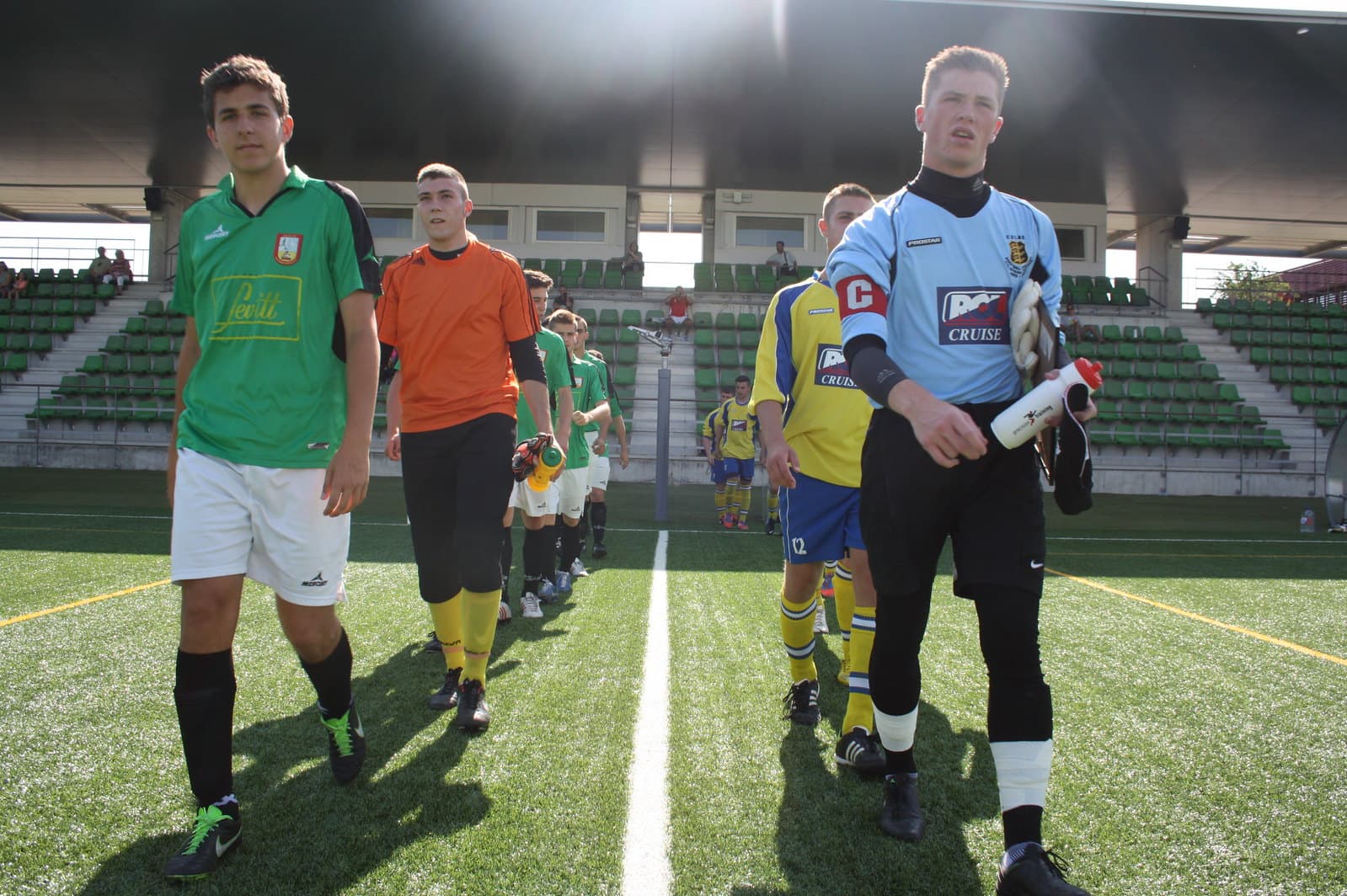
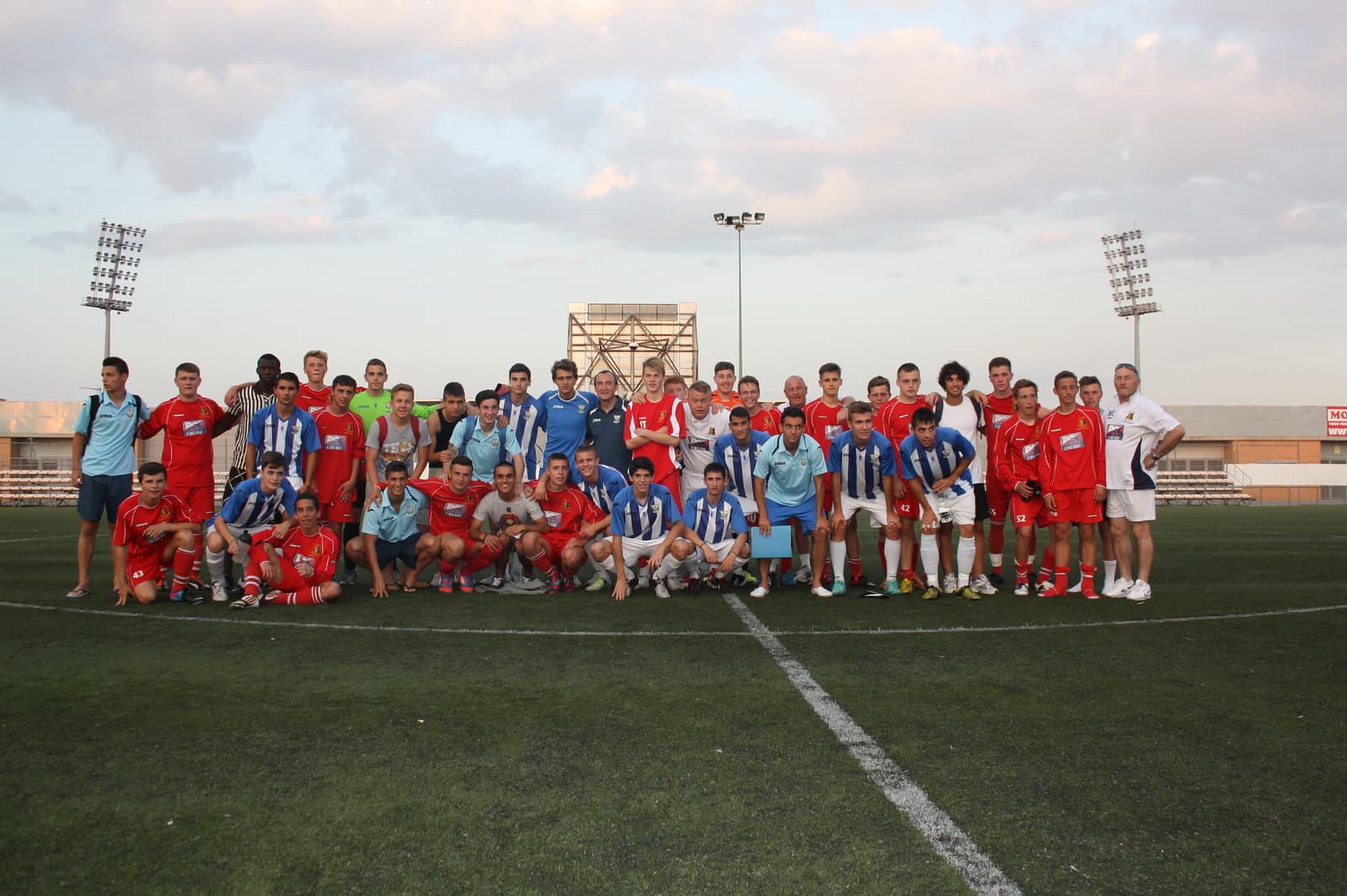
A well-designed Spain tour has a rhythm to it. Morning training sessions at a real academy ground. Friendly matches against local Spanish teams twice a week, never more. Stadium visits to one of the big clubs, Camp Nou, Bernabeu, Mestalla, which the players will talk about for a decade. An afternoon in the old town of wherever you are based. One full rest day in the middle where nothing football-related is scheduled. Coaches often want to add more. We gently talk them out of it. Tired legs do not learn anything, and tired teenagers do not remember anything.
The logistics are the invisible part. Visas if needed. A coach who speaks the language and knows which door to knock on. Kit laundry turnarounds. A bus driver who knows which stadium entrance is the one for touring groups, not the one for season ticket holders. A backup pitch for when a morning training site floods. A backup restaurant for when thirty-six hungry teenagers arrive at a place that was only holding tables for thirty. The best way to judge a Spain soccer tour operator is not the glossy itinerary. It is how they answer a phone call the week before departure, when one of your players has a passport problem.
A full youth soccer tour to Spain, seven to ten nights, full board, matches, training, stadium visits, two Spanish cities, buses, guides, and the invisible insurance layer of someone in the country who picks up the phone at 2am, costs roughly what parents expect a family vacation to Europe to cost. We write more specifically about cost elsewhere in this journal. What matters here is that the price is almost always dictated by the quality of the things people remember, not the things they forget. A better hotel in an uninteresting neighborhood is a worse tour than a simpler hotel next to the training ground. We pick the training ground every time. If you are ready to explore what a trip looks like for your team, start planning.
The last thing worth saying about a youth soccer tour to Spain is the one thing that is hardest to put on a brochure. The players come back different. They have played on grass that Xavi trained on, eaten in a restaurant a first-team player eats at on days off, and spent ten days surrounded by the game being taken seriously by an entire country. You cannot buy that back home. You can only go and get it.
A 7 to 10 night youth soccer tour to Spain, including full board, ground transport, training sessions, stadium visits, friendly matches, insurance and bilingual coordination, sits between roughly 2,800 and 3,800 dollars per player. International flights are quoted separately because airfare moves with the calendar.
Most groups travel for 7 to 10 nights. Anything shorter than 7 leaves no recovery time and most of your bus hours go to airport transfers. Anything longer than 10 starts to fatigue younger players. The 8-night, 2-city itinerary is our most-booked shape: Madrid plus Barcelona, or Valencia plus Barcelona.
We host U12 through U19 club and school teams. We do not run tours for U11 and below because the trip rhythm and overnight format does not suit that age. For mixed-age school groups, we adapt training intensity by squad rather than by tour.
Yes. Every youth tour includes 2 friendly matches against organized Spanish opposition matched to your age and level. We do not over-schedule matches because tired legs do not learn. Fixtures are typically against academy youth sides, top amateur clubs and federation development sides depending on the level of your group.
Yes. Stadium visits to Camp Nou (FC Barcelona), the Santiago Bernabéu (Real Madrid), Mestalla (Valencia CF) and others are part of every soccer tour we run. Where available we book the immersive tunnel-and-pitchside tour for groups, which is the version players remember a decade later.
Every tour runs with a minimum 1 adult to 10 player ratio, more on most school groups. Our Spanish ground coordinators are bilingual, present from airport pickup to drop-off, and trained in emergency response. Hotels have key-card secured floors. Curfew check happens at 23:00 every night without exception. Every player carries a card with hotel address, local Spanish phone number and embassy contacts in English and Spanish.
Accommodation, all meals on training and match days, ground transport (private buses), training facility hire, Spanish coaching, stadium visits, match fees, referees, and our on-the-ground bilingual team for the entire tour. Excluded: international flights, travel insurance (mandatory, and arranged by the club or the family), personal spending money (we suggest 50 to 100 euros per player), and any optional excursions you add later.
October to November and March to May are the best windows. Weather sits in the high teens to low twenties Celsius, hotel rates are below summer peak and the Spanish football calendar is in full swing. We run tours in summer too but heat in southern Spain limits afternoon training and prices climb. Avoid mid-December through early January for fixture availability.
Six months is comfortable. Four months is workable. Anything inside three months gets harder for the best training facilities and stadium tour slots, especially around Real Madrid and FC Barcelona match weekends. For groups of 30 plus, six to nine months out is the right window.
Yes, and many do. We run a parent-side itinerary in parallel: cultural visits, a market tour, a cooking class, then everyone meets for dinner. The presence of parents does not get in the way of the football, and the players who have a parent on the trip do not get embarrassed by it the way coaches sometimes worry about.