How to Organize a School Football Tour to Spain
16 April 2026 · Juan Sanchez, Director, Odisea Tours

16 April 2026 · Juan Sanchez, Director, Odisea Tours
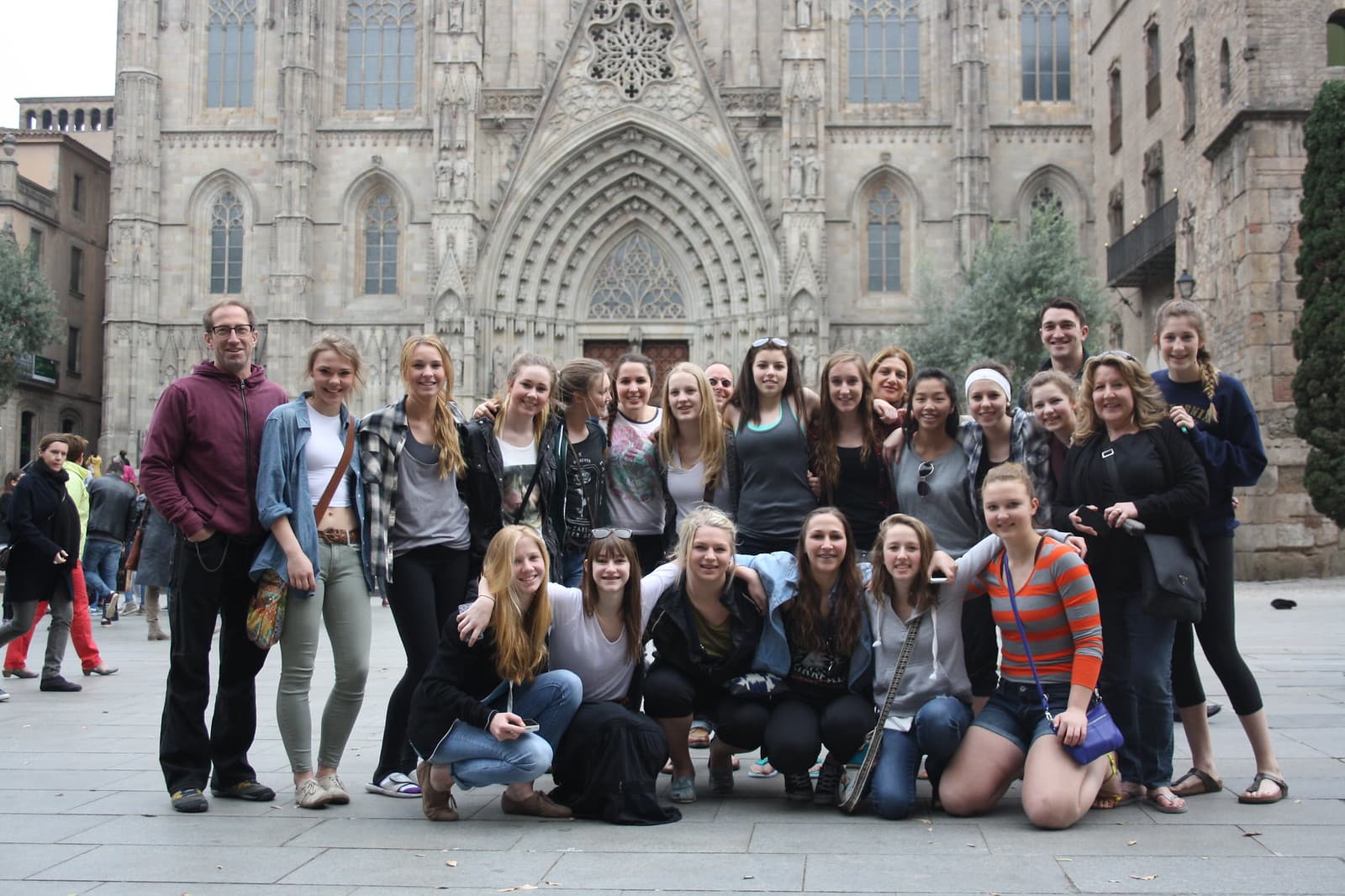
A school football tour to Spain is not a school trip with a ball thrown in. It is a proper sporting program built around competitive matches, professional training, and cultural immersion, and the schools that do it well treat it with the same seriousness they would give to any other part of the curriculum. We have been organizing these tours since 2005, and the schools that come back to us year after year are the ones where the PE department understood from the start that this was an educational project first, a holiday second, and a logistical challenge always. The good news is that the logistical part is the bit we handle. The educational part is the bit you are already good at.
The first hurdle is the school board, and the way to clear it is with numbers, not enthusiasm. A board wants to see a per-pupil cost, an insurance certificate, a safeguarding protocol, a risk assessment, and a clear educational justification. We provide templates for all of these because we have helped dozens of schools through exactly this process. The educational case writes itself once you frame it correctly: language exposure, cultural competency, teamwork under pressure, and the experience of competing against peers from a completely different footballing tradition. The cost, for a seven-night tour with matches, training, stadium visits, full board, and ground transport, sits in the range most parents already expect for a European school trip. When the board sees the numbers next to a residential trip to, say, an outdoor activity center in Wales, Spain tends to win on value. Visit our schools page for the full breakdown of what a school tour includes.
Safeguarding is the item that keeps heads of department awake at night, and rightly so. Every school tour we run carries a minimum supervision ratio of one adult to ten pupils, though most schools bring it closer to one to eight. Our ground coordinators in Spain are DBS-checked or equivalent, and every hotel we use has secured floors with key-card access. We run a curfew walk at 11pm every night. We carry emergency protocols for medical, passport, and behavioral incidents, and we brief the lead teacher on all of them before the group lands. The single most important thing we tell schools is this: the safeguarding framework you already run at home transfers to Spain without modification. The difference is that in Spain, you have a bilingual coordinator standing next to you who knows the local hospitals, the local police station, and the fastest route from the hotel to both.
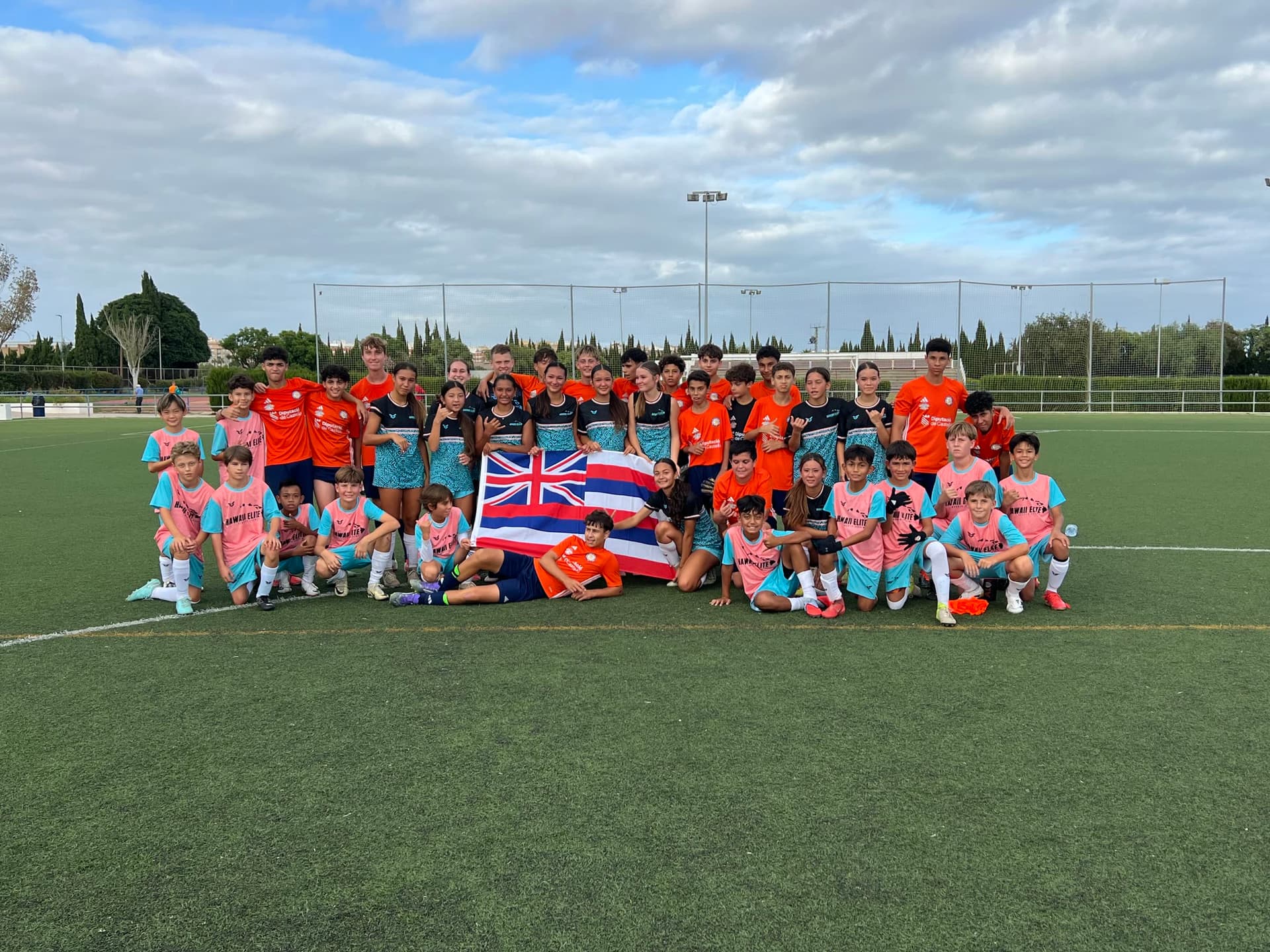
A typical day on a school football tour has a rhythm that teachers find surprisingly easy to manage. Morning training at a professional or semi-professional facility, usually two hours, led by a Spanish coach with our coordinator translating. A sit-down lunch at the hotel or a nearby restaurant where dietary requirements have been briefed in advance. An afternoon cultural visit, a cathedral, a museum, a walking tour of the old quarter, or free time at the beach if the group is on the coast. On match days, the cultural visit is replaced by the match itself, usually scheduled for late afternoon when the heat drops. Evenings are dinner together and free time in the hotel or a supervised walk in the neighborhood. Two matches per week is the right number. Three is too many. One is not enough. The plan your tour page walks you through how we build an itinerary around your group's specific needs.
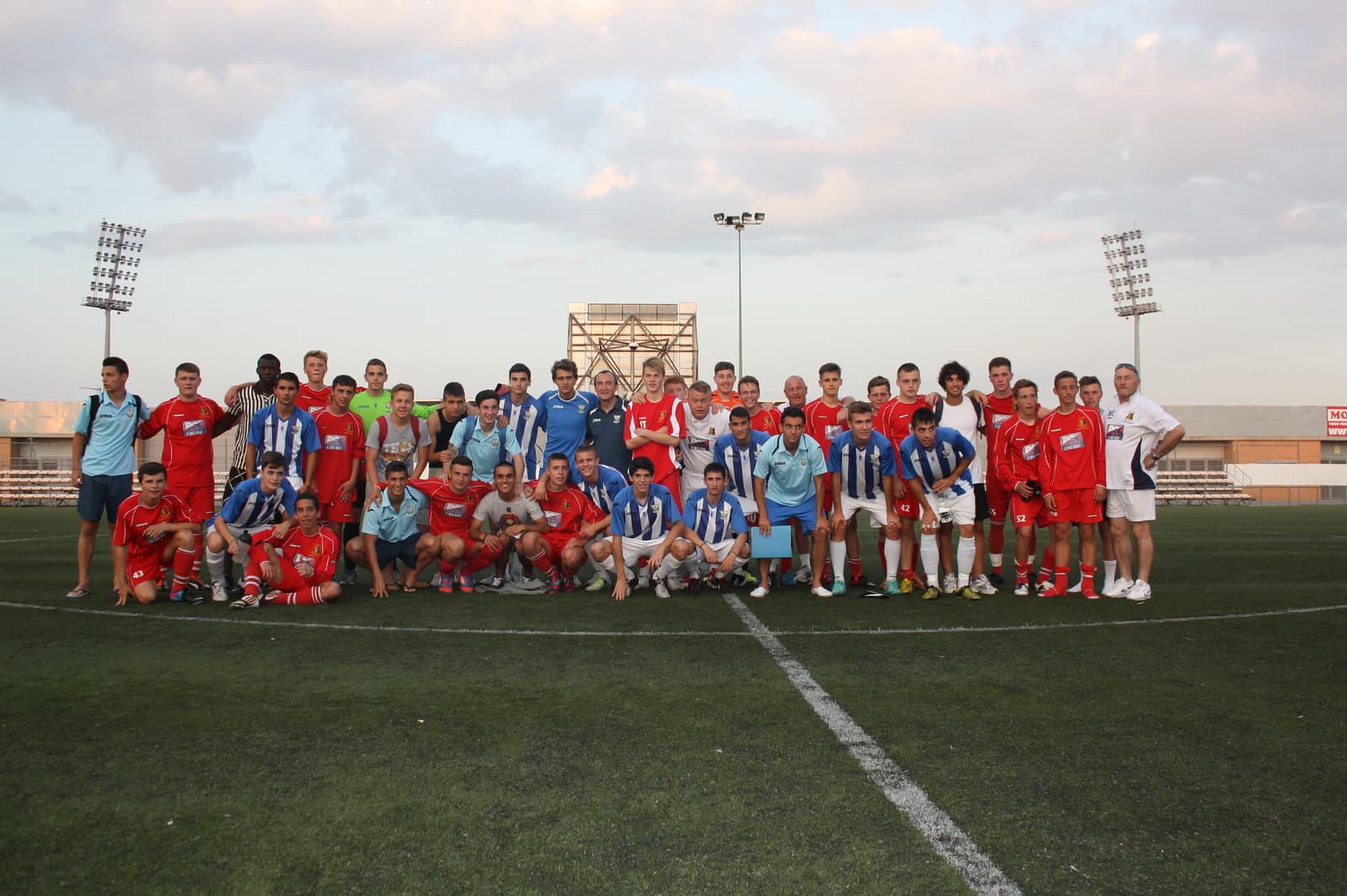
The question we hear most from PE teachers considering Spain over other destinations is simple: why not France, or the Netherlands, or Portugal? The answer is equally simple. Spain offers the combination of world-class football infrastructure, reliable weather, a cost base that is lower than northern Europe, and a depth of professional academy access that no other country can match. Your pupils can train at facilities used by La Liga youth teams, visit Camp Nou or the Bernabeu, and play against organized Spanish school sides who take the fixture as seriously as your group does. The cultural dimension is richer too. Spain is different enough from home to feel like a genuine abroad experience, which is half the point of taking teenagers out of the country in the first place. A trip to the Netherlands is a good football trip. A trip to Spain is a good football trip and a good education. We have watched the difference land with thousands of pupils over twenty years.
The last piece of advice we give every school is about timing. Book early. The best training facilities and the strongest Spanish school opponents are available between October and May, and the most popular windows, Easter and half-term, fill up fast. If your school can travel in October or early November, you will find better availability, lower prices, and perfect weather. If you are locked into a spring or summer window, we can still build a superb tour, but the earlier you start the conversation the more options we have. The schools that plan twelve months ahead get the best tours. The schools that plan three months ahead get a good tour. The schools that call us six weeks before departure get whatever is left, and we would rather build you the best version. Explore the European soccer tour options and get in touch when you are ready to start.
A per-pupil cost, an insurance certificate, a safeguarding protocol, a risk assessment and a clear educational justification. We provide templates for all of these because we have helped dozens of schools through this process.
A minimum of one adult to ten pupils, though most schools bring it closer to one to eight. Our ground coordinators are DBS-checked or equivalent, and every hotel has secured floors with key-card access.
Two matches per week is the right number. Three is too many and pupils stop playing well. One is not enough to justify the trip.
Spain offers world-class football infrastructure, reliable weather, a cost base lower than northern Europe and a depth of professional academy access no other country can match. Pupils can train at facilities used by La Liga youth teams, visit Camp Nou or the Bernabeu, and play organized Spanish school sides who take the fixture seriously.
Twelve months ahead gets the best tour. Three months ahead gets a good tour. Six weeks before departure gets whatever is left.