The Best Football Tour Destinations in Barcelona
17 April 2026 · Aitor Corres, Middle East Specialist

17 April 2026 · Aitor Corres, Middle East Specialist
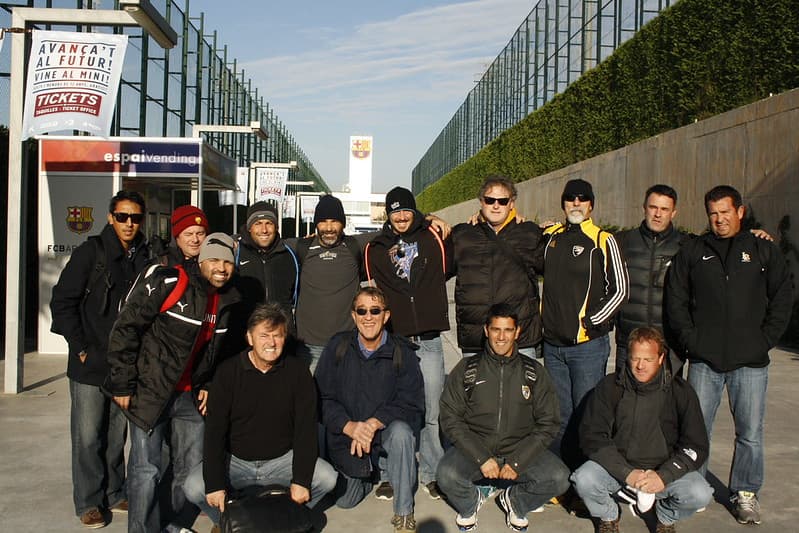
Barcelona is the single best football tour destination in Spain, and it is not particularly close. We have been sending groups to this city since 2005, and every year the case gets stronger. The combination of world-class football infrastructure, a walkable city center packed with culture, reliable Mediterranean weather, and a depth of experience that no other European city can match makes Barcelona the place where most groups want to start. Some groups come to Spain and visit two or three cities. Almost all of them wish they had spent more time in Barcelona. The city does not just host football tours. It absorbs them. Every corner of the place has something to offer a group that loves the game, and the non-football hours are just as rich as the ones spent on a pitch.
Camp Nou is the anchor of any Barcelona football tour, and it remains extraordinary even in the middle of its long renovation. The stadium's sheer scale is the thing that hits first: ninety-nine thousand seats rising around you in a bowl that makes every other ground in Europe feel like a theatre. The museum, which is the most visited museum in Barcelona ahead of the Picasso, houses decades of trophies, match footage, and the kind of Messi memorabilia that makes teenage players go very quiet. The Immersive Tour takes groups through the tunnel, onto the pitchside, through the mixed zone, and into the commentary boxes. Even with scaffolding visible in places, the emotional weight of the place is untouched. For groups staying more than three days, we also recommend a visit to the Johan Gamper training complex, where La Masia's youth teams and the first team train on adjacent pitches. Watching a Barcelona youth session from the sideline is one of the most instructive ninety minutes in European football. We write about this in detail on our European soccer tours page.
Beyond Camp Nou, Barcelona offers football experiences that most itineraries overlook. The Montjuic Olympic Stadium, built for the 1992 Games, is a stunning venue that hosted the opening ceremony and still operates as a professional ground. It is where Espanyol played for several years, and the hilltop setting offers panoramic views over the entire city and the sea. Espanyol's current home, the RCDE Stadium in Cornella, is a modern, intimate ground that offers excellent group access and a friendlier, less corporate atmosphere than the bigger clubs. For groups interested in futsal, one of our favorite hidden gems is attending an FCB Futsal match at the Palau Blaugrana, the arena that sits right next to Camp Nou. The quality of play is breathtaking, the tickets are affordable, the atmosphere is intense, and your players will leave with a completely different understanding of close-quarters football. We recommend it to every group that asks us for something beyond the obvious.
The city itself is the other half of the equation, and it is the reason Barcelona works so well for groups that include families, partners, or non-footballing travelers. The Gothic Quarter is a maze of medieval streets that opens into hidden plazas with guitar players and outdoor cafes. La Rambla runs from Placa Catalunya down to the port and is best walked early in the morning before the crowds build. Barceloneta beach is a fifteen-minute walk from the city center and offers a full afternoon of sand, seafood restaurants, and the kind of low-effort recovery time that a group needs after three days of matches and stadium visits. The Sagrada Familia is unlike any building most visitors have ever seen, and the interior, flooded with colored light from Gaudi's stained glass, tends to silence even the loudest group of teenagers. For groups with a youth football focus, we build itineraries that alternate football mornings with cultural afternoons, and the feedback is consistently that Barcelona makes the balance effortless.
The best time to visit Barcelona for a football tour is October through November or March through May. The weather in these windows sits comfortably in the low twenties Celsius, the hotel rates are significantly lower than summer, and the football calendar is in full swing. Summer tours are possible and we run plenty of them, but July and August bring heat that makes afternoon training sessions punishing, crowds that make stadium visits slower, and hotel prices that climb steeply. For groups arriving from the United States or Australia, a direct flight into Barcelona El Prat drops you twenty minutes from the city center, and the airport transfer is one of the smoothest in Europe. We handle all ground logistics from the moment the group lands, including hotel check-in coordination, bus transfers, and restaurant bookings for groups of any size.
Where to stay depends on the group's priorities. For football-first itineraries, we book hotels near the Joan Gamper training complex or in the Sants district, which sits close to Camp Nou and has excellent metro connections to the rest of the city. For groups that want to be in the center of things, the Eixample neighborhood offers wide boulevards, easy walking to the Gothic Quarter, and a huge range of restaurants that can seat large groups without advance drama. For budget-conscious clubs, the Poble Nou district near the beach has newer hotels at lower rates and a creative, local atmosphere that feels nothing like a tourist zone. Whatever the group profile, Barcelona has the accommodation and the infrastructure to handle it. If you are considering Barcelona for your next football tour, get in touch through our planning page and we will build an itinerary that makes the most of every day in this city.