What Parents Need to Know About Youth Football Tours to Spain
17 April 2026 · Juan Sanchez, Director, Odisea Tours

17 April 2026 · Juan Sanchez, Director, Odisea Tours

This is written for you, the parent, not the coach. We know the coach has already decided this tour is a good idea. You are the one who needs convincing, and you deserve straight answers rather than a glossy brochure. We have been running youth football tours to Spain since 2005, and in that time we have spoken to thousands of parents with the same set of concerns. Every one of those concerns is reasonable. None of them should stop your child from going. But you need to hear the detail before you can feel it in your chest, and that is what this piece is for.
Safety and supervision are the first thing on your mind, and they should be. Every tour we run operates with a minimum ratio of one adult supervisor to ten players, and most school and club groups bring it closer to one to eight. Our ground coordinators in Spain are bilingual, trained in emergency response, and present with the group from the moment the bus leaves the airport until the moment it returns. Hotels are selected for secured-floor access with key-card entry, and we run a head count and curfew walk at 11pm every night without exception. Your child carries an emergency card with the hotel address, a local Spanish phone number, and embassy contact details in both English and Spanish. We are fully insured and bonded, and we carry comprehensive travel and medical cover for every player on every tour. The youth tours page has the full safeguarding framework if you want to read it in detail.
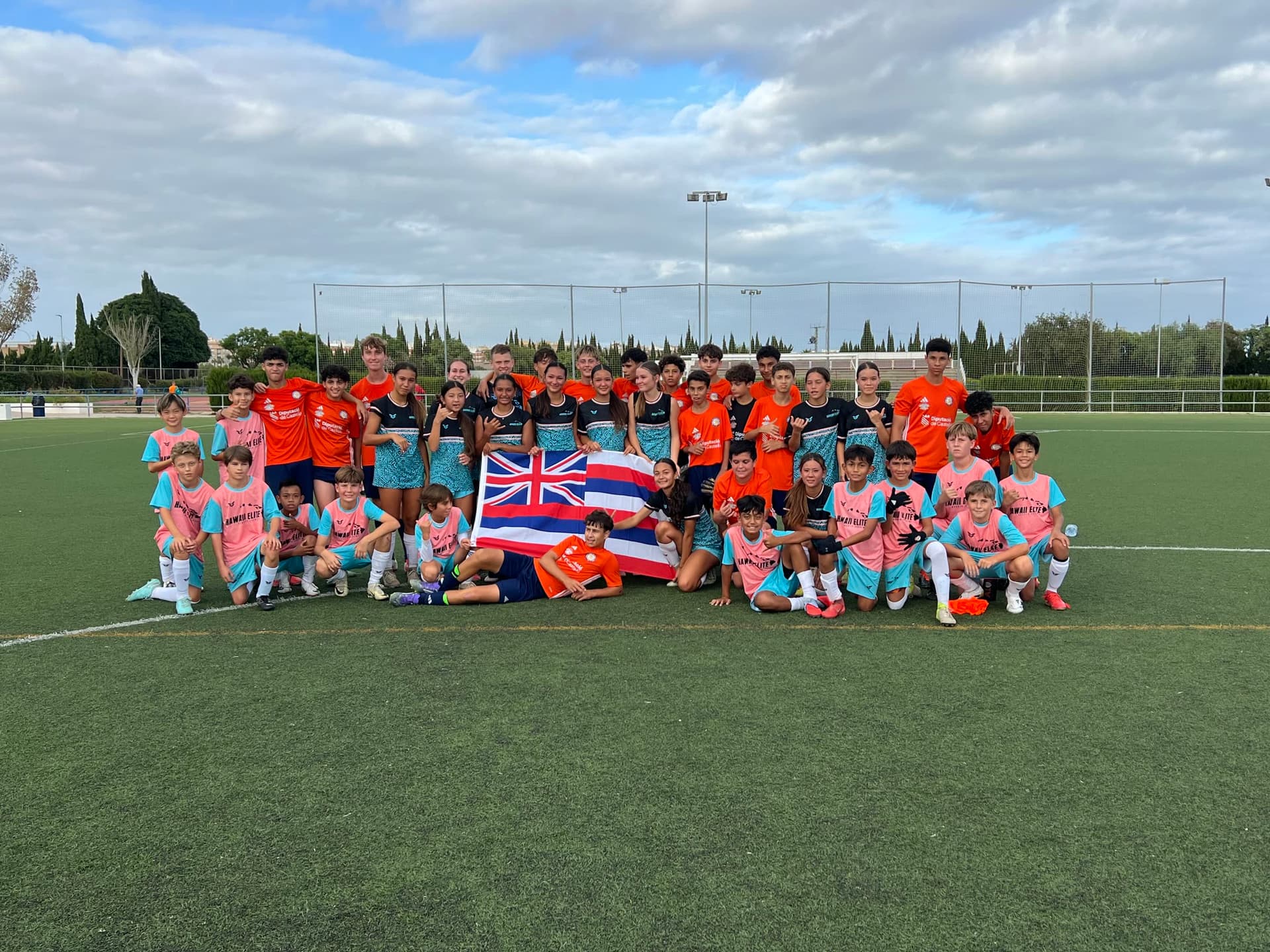
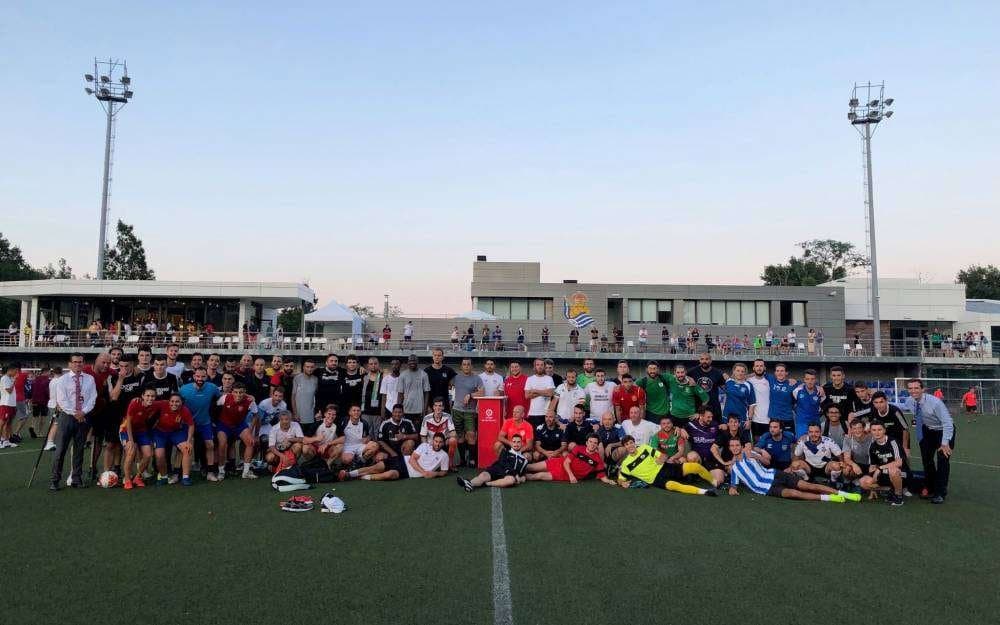
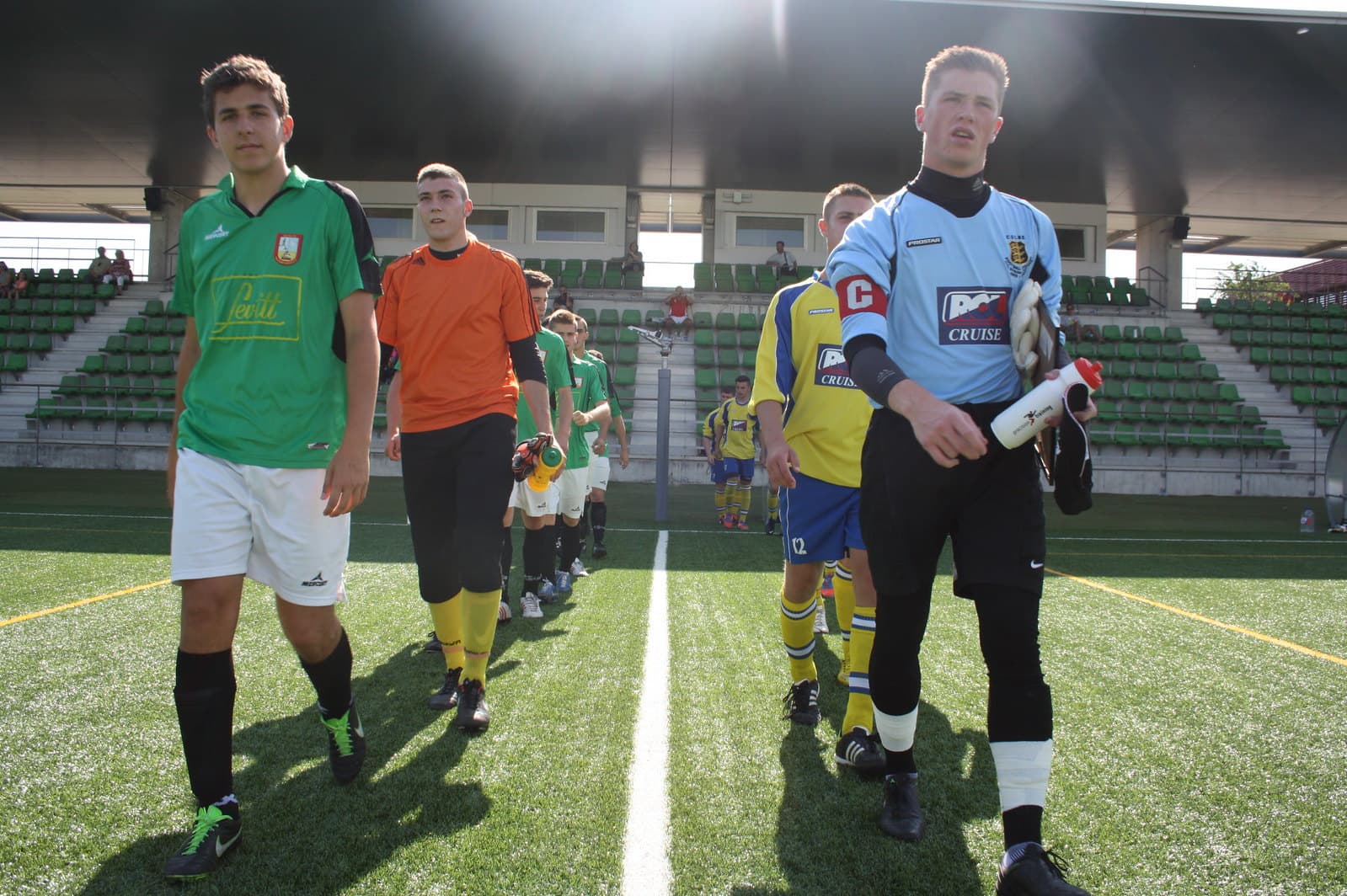
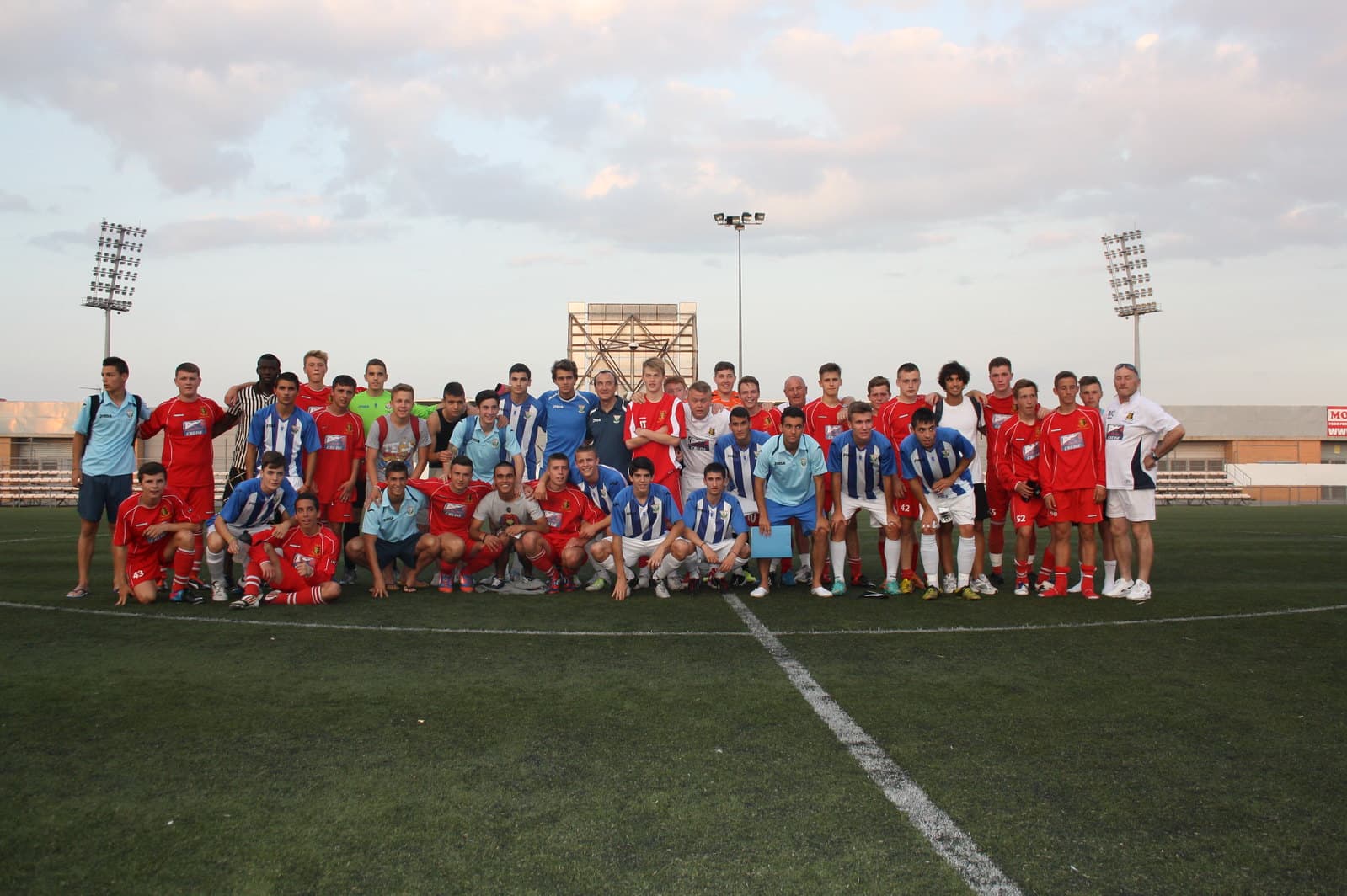
A typical day on tour has a rhythm that keeps the players engaged without exhausting them. Morning training at a professional or semi-professional facility, usually two hours, led by a Spanish coach with our coordinator translating. A sit-down lunch at the hotel or a nearby restaurant where dietary requirements have been communicated in advance. An afternoon that rotates between cultural visits (a cathedral, a museum, a walking tour), a friendly match against a local Spanish youth team, or free time at the beach or in the town center. Evenings are group dinners followed by supervised downtime at the hotel. Match days are the highlights: two per week, properly refereed, against organized Spanish opposition matched to your child's age and level. The days are full but not frantic, and rest time is built into the itinerary because tired teenagers do not learn and do not enjoy themselves.
Cost is the question you want a number for, so here it is. A seven to ten night youth football tour to Spain, including full board, ground transport, training sessions, stadium visits, matches, insurance, and bilingual coordination, sits between roughly 2,800 and 3,800 dollars per player. International flights are quoted separately because airfare fluctuates and we refuse to hide the volatility. Many clubs offer twelve-month payment plans that bring the monthly cost down to 250 to 320 dollars, which is manageable for most family budgets. What is included: accommodation, all meals on match and training days, bus transfers, training facility hire, coaching, stadium tours, match fees, referees, medical cover, and our on-the-ground team. What is typically extra: flights, personal spending money (we recommend fifty to a hundred euros), and any optional excursions the group adds. There are no hidden fees. We quote everything upfront because parents who discover surprise costs mid-tour do not come back, and we want them to come back.
The concern we hear most often from parents who have never sent a child abroad without them is simple: will my kid be okay? The honest answer, after twenty years of watching thousands of teenagers on these tours, is that they will be better than okay. They will thrive. The players who are nervous on the first day are leading the group sing-along on the bus by day three. The ones who have never eaten anything more adventurous than chicken fingers are ordering pulpo a la gallega by the end of the week. Being away from home, in a country where the language is different and the football is played with a seriousness they have never encountered, grows something in young people that cannot be replicated at a domestic camp or a weekend tournament. They come back more confident, more independent, and more curious about the world. That is not a sales pitch. It is what we have observed, consistently, for two decades. Visit our schools page for details on how school groups structure these tours.
The last thing we want to say to you is this: come along. A significant number of our youth tours include parents who travel with the group, and the experience is richer for it. While the players train in the morning, parents explore the city with our bilingual guide, visit a market, sit in a cafe in the Gothic Quarter, or take a cooking class. Everyone meets up for dinner with stories to share. The parents who come along do not regret it. They see their child compete on a Spanish pitch, navigate a foreign city, and handle themselves with a maturity that surprises everyone, including the child. And the parents who stay home? They get the phone call on the last night, the one where their kid's voice sounds different, a little older, a little wider. That call is worth the whole tour. Whenever you are ready, start planning here.
Every tour operates with a minimum ratio of one adult supervisor to ten players. Most school and club groups bring it closer to one to eight.
A seven to ten night youth football tour to Spain, including full board, ground transport, training, stadium visits, matches, insurance and bilingual coordination, sits between roughly 2,800 and 3,800 dollars per player. International flights are quoted separately because airfare fluctuates.
Included: accommodation, all meals on match and training days, bus transfers, training facility hire, coaching, stadium tours, match fees, referees, medical cover, and our on-the-ground team. Typically extra: international flights, personal spending money (we recommend fifty to a hundred euros), and any optional excursions added by the group.
Yes. A significant number of our youth tours include parents who travel alongside the group. While players train in the morning, parents can explore the city with our bilingual guide, visit a market, or take a cooking class, then meet the team for dinner.
Morning training (about two hours) at a professional or semi-professional facility led by a Spanish coach with our coordinator translating. Sit-down lunch where dietary requirements are briefed in advance. Afternoons rotate between cultural visits, friendly matches against local Spanish youth teams, or free time. Evenings are group dinners followed by supervised downtime at the hotel.
Yes. Many clubs offer twelve-month payment plans that bring the monthly cost down to roughly 250 to 320 dollars per family, which is manageable for most household budgets.