Sabores de Espana: A Culinary Journey Through Spain
15 April 2026 · Aitor Corres, Middle East Specialist

15 April 2026 · Aitor Corres, Middle East Specialist
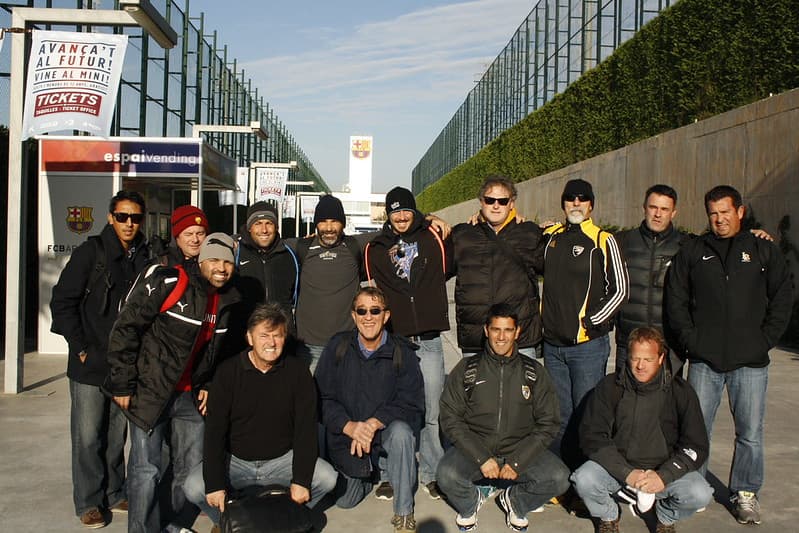
The Sabores de Espana tour was born because we kept noticing the same thing on our football tours. The parents and partners who came along would politely attend the stadium visit, clap at the training session, and then light up completely at dinner. The meal was always the part they talked about on the bus. The wine, the jamon, the octopus someone was brave enough to try. After watching this happen for fifteen years, we stopped pretending the food was a side note and built an entire tour around it. Sabores de Espana is the result, and it is, plate for plate, the most personally satisfying tour we run.
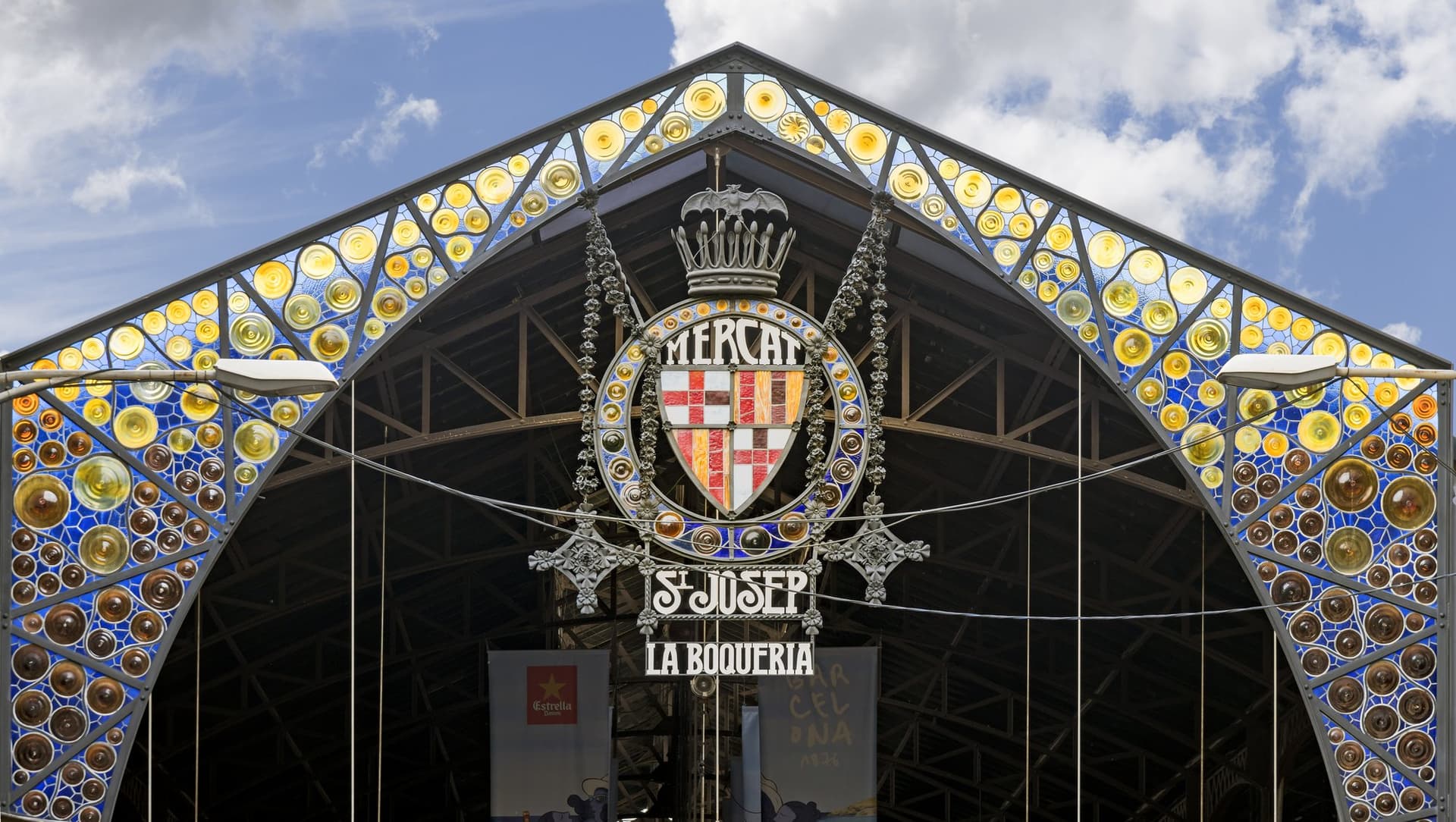
The tour begins in Barcelona, and it begins at the market. Not the tourist version of La Boqueria that sits on the Rambla, but the working section at the back where the stall owners know our guide by name and where the seafood counter will hand you a prawn to taste before you have asked for one. From the market we move to a private cooking class in the Gothic Quarter, where a local chef walks the group through a proper paella, not the yellow rice tourists get at beachfront restaurants, but the real Valencian method with sofrito, bomba rice, and a socarrat that crackles. That first evening sets the tone for the whole trip. This is not a tour where you watch someone else cook. You cook, you eat, you drink, and then you walk through a medieval city at sunset with a glass of cava still cold in your memory. The full itinerary is on the Sabores de Espana tour page.
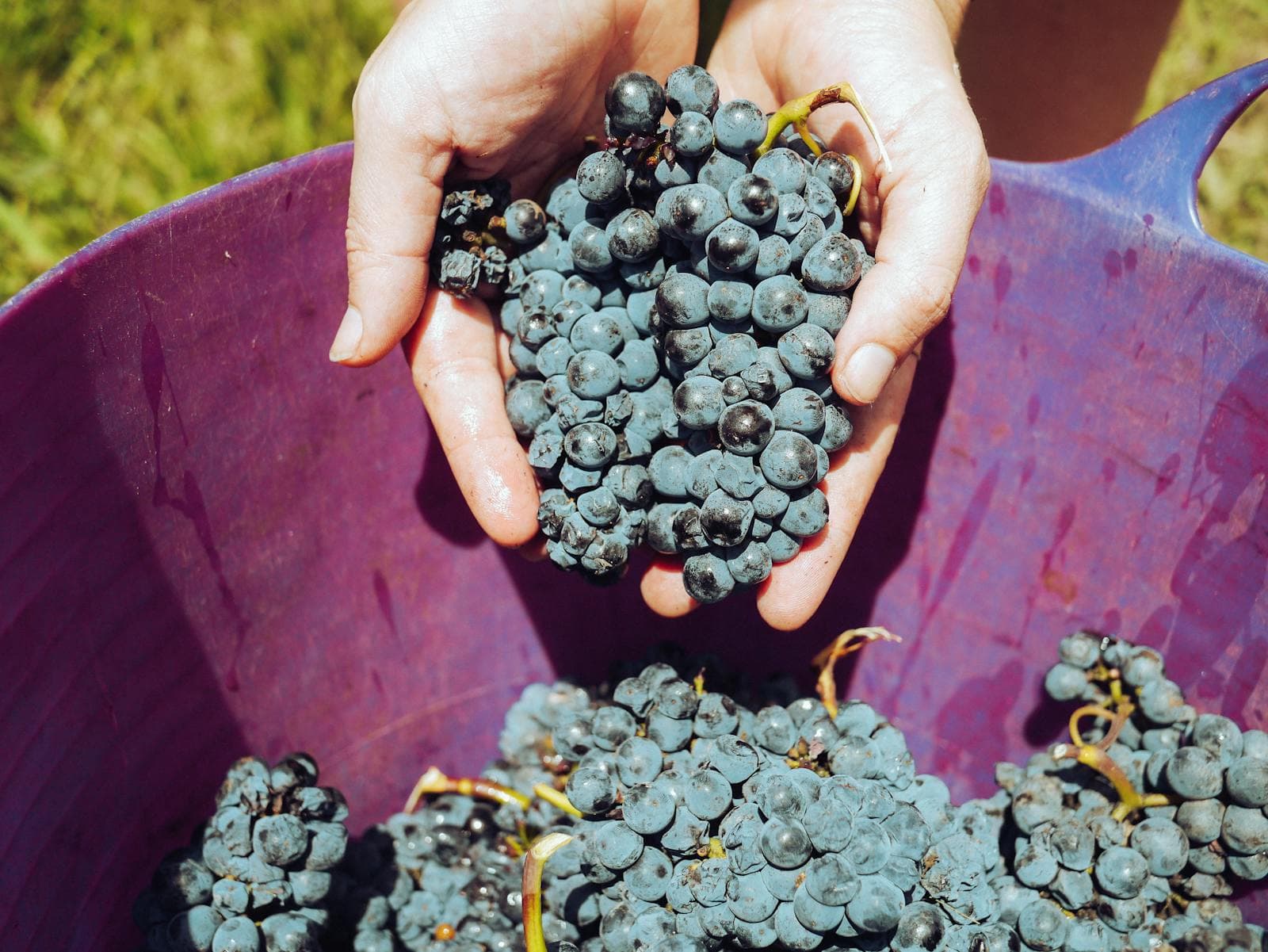
From Barcelona the route moves southwest into the Penedes wine region, where the cava cellars sit in rolling green hills that look nothing like the Spain most visitors imagine. Penedes is where ninety-five percent of Spain's cava is produced, and the cellar visits here are unhurried, underground, and surprisingly moving. The guide at our preferred bodega has been making cava for thirty years and speaks about the process the way a sculptor talks about marble. After Penedes we cross into La Rioja, and the landscape shifts again. The vineyards here are older, drier, and draped across hillsides that turn gold in the late afternoon light. We visit Marques de Riscal, whose Frank Gehry-designed hotel is one of the most photographed buildings in Spain, and whose wines need no introduction to anyone who has ever looked at a Spanish wine list. The tasting at Marques de Riscal is a highlight, but the real pleasure is the lunch that follows at a small family-run asador nearby where the lamb has been slow-roasting since dawn.
The Basque Country is the final act, and it is the one that ruins people for food back home. San Sebastian holds more Michelin stars per square metre than any city on earth, and while we do not take the group to a three-star restaurant (the Sabores tour is about real food, not theatre), we do take them on a pintxos crawl through the old town that covers six bars in three hours and leaves everyone slightly dazed by the quality of what a four-euro snack can be in this city. The pintxos in San Sebastian are not tapas. They are miniature compositions, each one designed by a chef who treats a slice of bread and a piece of cod as seriously as a tasting menu. The group moves from bar to bar with our local guide, who knows which bar does the best gilda, which one has the crab tortilla, and which one you have to arrive at before 8pm or the good stuff is gone.
Between San Sebastian and the journey home, we stop in Pamplona. Most people associate Pamplona with the running of the bulls, but the old city is a quiet, beautiful place the other fifty-one weeks of the year, and its food culture is deeply Navarrese in a way that feels distinct from both the Basque Country and the rest of Spain. The group eats lunch at a cider house outside the city walls where the ritual is the same as it has been for a century: you stand under a massive barrel, someone opens the tap, and you catch the stream of cider in your glass from three feet away. It is silly, joyful, and the cider is excellent. By this point in the tour, the group has cooked in Barcelona, tasted cava underground, drunk Rioja at the source, eaten pintxos that cost less than a coffee and tasted better than most restaurant meals, and caught cider from a barrel in Navarra. That is Sabores de Espana. It is not a food tour. It is a tour of Spain that happens to be organized around the best thing about Spain.
We run the Sabores tour for groups of ten to thirty, and the people who book it are remarkably varied. Corporate retreats, friend groups celebrating a milestone birthday, couples traveling together, veterans football clubs who want something for the partners to do while the lads play their matches. The common thread is not a passion for food, though that helps. It is curiosity. The groups that get the most out of Sabores are the ones who show up willing to try things, and Spain rewards that willingness more generously than almost anywhere else in the world. If you are thinking about it, get in touch with our team and we will walk you through the options. The Sabores tour books well in advance, especially for the autumn and spring windows, so the earlier you start the conversation the better the dates we can hold. Plan your tour and we will take it from there.