Corporate Team Building Retreats in Spain
16 April 2026 · Juan Sanchez, Director, Odisea Tours

16 April 2026 · Juan Sanchez, Director, Odisea Tours
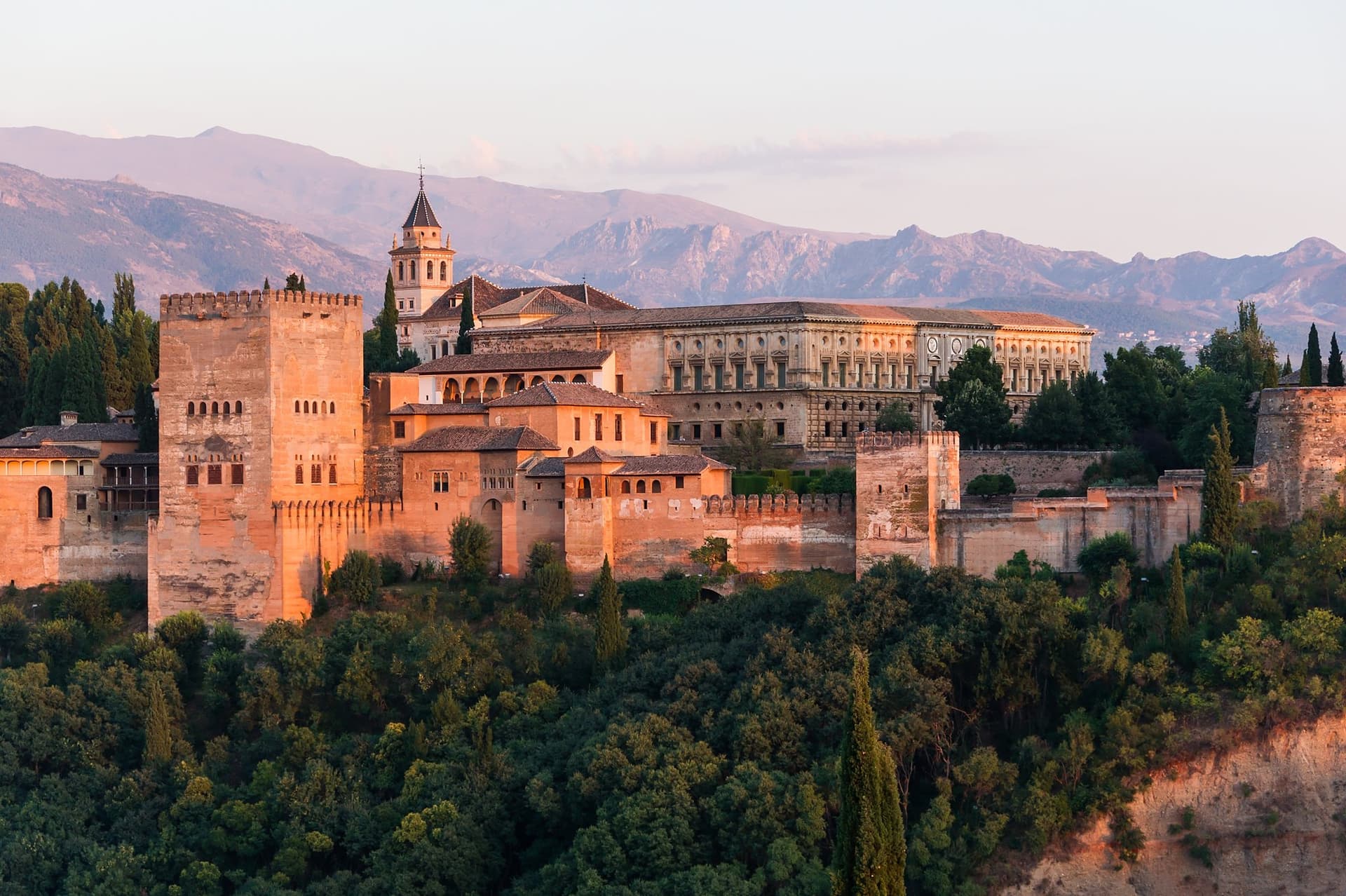
The best corporate retreats do not feel like corporate retreats. They feel like the best week of the year, the one people still reference in meetings six months later when they need a shorthand for trust. Spain is where we build those weeks, and we have been doing it long enough to know that the difference between a retreat that changes a team and one that wastes a budget comes down to a single principle: the activities have to be real. Not simulated, not gamified, not wrapped in a facilitation framework that makes adults feel like they are back in school. Real food, real culture, real challenge, real conversation. Spain delivers all four without trying, which is exactly why it works.
Consider what a five-day corporate retreat in Spain actually looks like when it is designed properly. Day one: the group lands in Bilbao, transfers to San Sebastian, and sits down for a pintxos crawl through the old town that covers six bars in three hours. By the second bar, people from departments that have never shared a corridor are sharing plates of anchovy and pepper, arguing about which gilda was better, and laughing in a way the office has never heard. Day two: a private cooking class in a Basque farmhouse where the group makes a full lunch together, from market shopping to plating. The COO is chopping onions next to the junior developer. The head of sales is learning to make a béchamel from a seventy-year-old Basque grandmother. Nobody is thinking about KPIs. Everyone is building a memory that will outlast every slide deck they have ever seen. We build these itineraries through our Sabores de Espana program, adapted for corporate groups.
The range of what Spain offers for corporate retreats goes far beyond food, though food is often the spine. In La Rioja, we organize private vineyard visits and wine-blending workshops where teams create their own cuvee, label it, and take the bottles home. In Seville, we run flamenco workshops in a courtyard studio where a professional dancer teaches the group the basics of compas and footwork, and the CEO discovers that rhythm is harder than strategy. In Valencia, we arrange sailing regattas in the America's Cup harbour where teams of six crew a racing yacht and compete against each other on open water. Along the Camino de Santiago, we walk the final stage together, five days of shared effort that strips away hierarchy and replaces it with the simple solidarity of putting one foot in front of the other. Each of these activities is designed to create a shared experience that is genuinely difficult, genuinely enjoyable, and impossible to replicate in a conference room. The corporate retreats page has the full menu of options.
We handle everything from the moment the group lands to the moment they depart. Airport transfers, hotel check-ins coordinated for large groups, restaurant bookings for tables of fifteen to eighty, bilingual coordination at every activity, dietary requirements communicated to every kitchen, and a ground team that picks up the phone at any hour if something needs adjusting. The company's internal organizer does not become a travel agent. They stay focused on their team while we manage the country. This is the part that HR directors and office managers tell us they value most: the ability to hand the logistics to someone who has done it hundreds of times and simply be present with their colleagues. For companies of fifteen to eighty people, we build bespoke itineraries that balance structured group activities with free time, because adults need breathing room and the best conversations happen in the unscheduled hours.
The ROI argument for a Spain retreat is not abstract. Companies that invest in meaningful shared experiences see measurable returns in employee retention, cross-department collaboration, and morale. A week in Spain costs less than replacing a single senior hire, and the bonds formed over a long lunch in a Rioja vineyard or a sunrise walk on the Camino create the kind of institutional glue that no Slack channel or quarterly offsite can manufacture. We have worked with technology companies, law firms, financial services teams, creative agencies, and family businesses, and the pattern is the same across all of them. The teams that travel together work better together. The teams that eat together trust each other faster. Spain accelerates both of those processes because the country is built around shared tables, shared walks, and shared experiences. It is not a coincidence that Spanish culture prioritizes the long meal. There is wisdom in it, and corporate teams absorb that wisdom whether they intend to or not.
If you are considering Spain for your next corporate retreat, the best time to travel is April through June or September through November. The weather is warm without being punishing, the cities are lively without being overrun, and the availability at our preferred venues and restaurants is strongest. Summer works for groups who want beach time built into the itinerary, but hotel rates climb and the midday heat in southern Spain limits outdoor activities. We recommend starting the conversation at least four months before your preferred travel window, as the best cooking schools, vineyard experiences, and boutique hotels book early. Plan your retreat here and we will send you a proposal within forty-eight hours. No templates, no generic packages. Every corporate retreat we build is designed from scratch around your group's size, goals, and appetite for adventure.