How to Fundraise for Your Team's Spain Tour
13 April 2026 · Juan Sanchez, Director, Odisea Tours

13 April 2026 · Juan Sanchez, Director, Odisea Tours
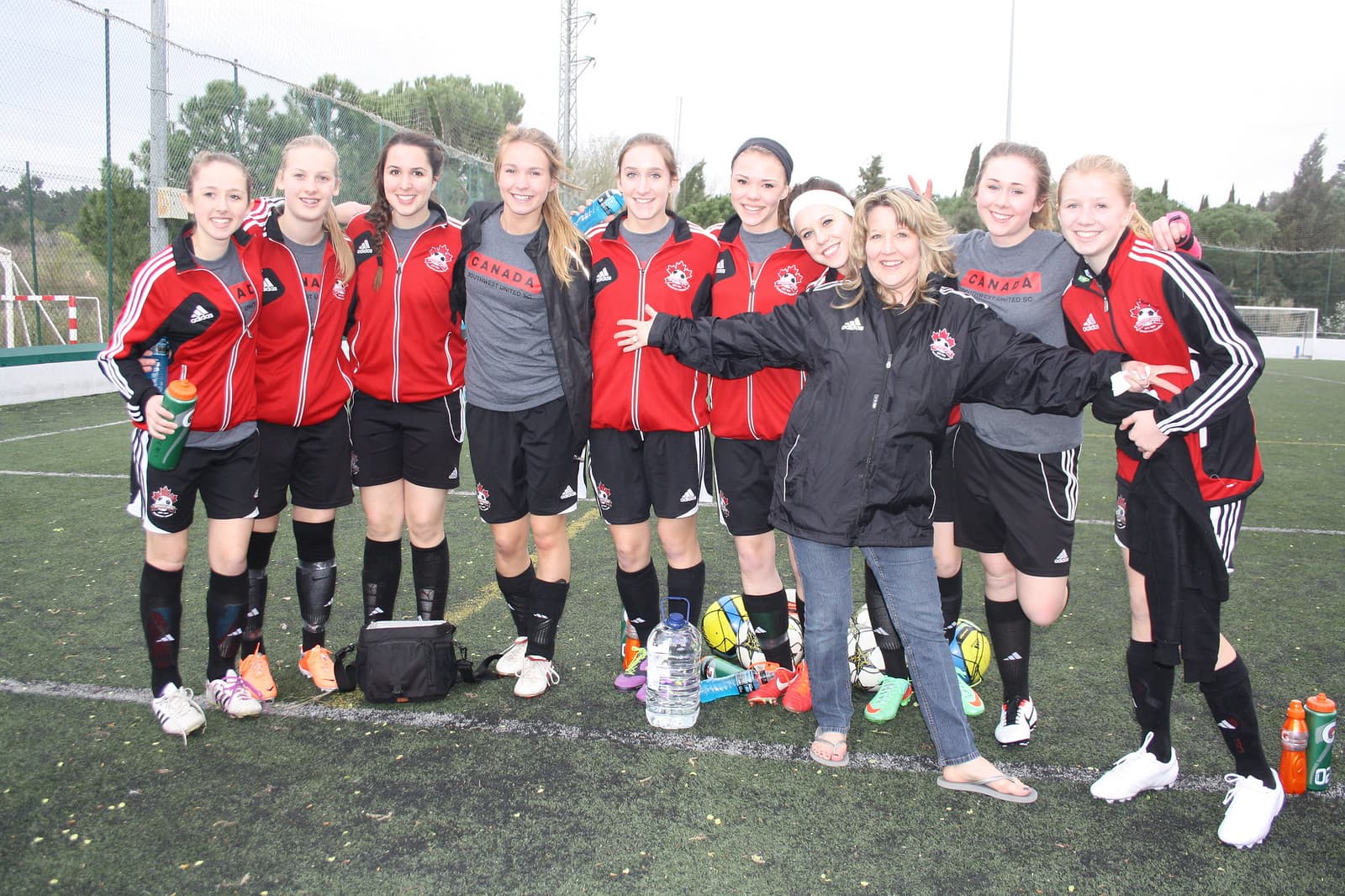
The single biggest reason a youth team or school side does not go to Spain is not lack of interest. It is the belief that the money is not there. We have heard this from hundreds of coaches over twenty years, and in almost every case the money was there. It was just scattered across sources that nobody had thought to assemble into a single funding plan. A Spain tour for a squad of twenty players, at roughly 2,800 to 3,500 dollars per head, is a significant number when you look at it as a lump sum. It is a much more manageable number when you break it into components, spread it over twelve months, and attack it from four or five directions at once. This is the playbook we share with every club that tells us they want to come but are not sure they can afford it.
Local business sponsorship is the single most underused funding source we see, and it is also the most effective. A youth club with fifteen to twenty families has a network of local businesses connected to those families: the dentist, the car dealership, the real estate agent, the restaurant, the gym. Each of those businesses has a marketing budget, and most of them would rather spend five hundred dollars sponsoring a local team's tour to Spain (with their logo on the training kit, a mention on social media, and a framed photo of the squad at the Bernabeu) than spend the same five hundred on a Google ad that disappears in a week. We tell clubs to approach ten local businesses with a simple sponsorship deck. If five say yes at five hundred each, that is 2,500 dollars, enough to cover nearly one full player's tour cost. If ten say yes, you have funded two players entirely through sponsorship. The key is to make the ask specific, professional, and easy to say yes to. A one-page PDF with the club crest, the tour dates, and three sponsorship tiers is all you need. Our youth tours page has more detail on what a typical tour includes, which helps you build that deck.
Crowdfunding works, but only if you do it properly. The campaigns that raise real money are the ones with a clear goal, a compelling story, a specific deadline, and regular updates. A GoFundMe page that says "help our team get to Spain" and then goes silent for three months will raise very little. A page that says "the U15 girls need 8,000 dollars by March 1st to train at the Spanish FA and play against Barcelona youth sides, here is a video of the team explaining why this matters to them" will raise significantly more. We have seen clubs raise between 3,000 and 12,000 dollars through crowdfunding alone, and the common thread is always the same: the campaign was personal, specific, and updated weekly. Parents, grandparents, aunts, uncles, family friends, and even strangers who played youth football themselves will contribute when the story is real.
Car washes and bake sales are the fundraisers everyone thinks of first, and we will not pretend they do not work, because they do. A well-organized car wash on a Saturday morning can bring in 400 to 800 dollars, and a bake sale at a tournament can do the same. The problem is that these events are labor-intensive relative to the return, and a club that relies entirely on them will need to run one every month for a year to cover the cost of a tour. Our advice is to use these events as community-building moments rather than primary revenue sources. They keep the tour visible, they keep the families engaged, and the money they raise is real. But the heavier lifting should come from sponsorship, crowdfunding, and the next item on this list: structured payment plans. Visit our schools page for details on how school groups typically structure their funding.
Payment plans are the single most important tool in the funding toolkit, and we offer them on every tour we build. Instead of asking a family to pay 3,000 dollars in a single transaction, we spread the cost over six to twelve monthly installments, starting from the moment the tour is confirmed. A family paying 250 dollars per month for twelve months will barely feel it in their household budget, and the tour is fully funded before the plane takes off. We collect the payments on a fixed schedule and handle the administration, so the club manager is not chasing twenty families for money every month. Early-bird pricing is the other lever: families who commit and begin payments early, typically six months or more before departure, receive a discount that rewards their commitment and helps us with our own supplier deposits. The combination of a twelve-month payment plan and an early-bird incentive removes the financial shock almost entirely.
The clubs that fund their tours most successfully are the ones that combine all of these sources. Five local sponsors at 500 dollars each, a crowdfunding campaign that raises 5,000, two or three community events that bring in another 2,000, and a twelve-month payment plan for each family that covers the remainder. When you lay it out on a spreadsheet, the per-family cost drops from an intimidating lump sum to a monthly number that most households can absorb comfortably. We have watched teams that initially said "we cannot afford this" arrive in Spain eleven months later with their tour fully paid, their families invested in the experience, and their players understanding that the trip was earned, not given. That last part matters more than people realize. A tour that was fundraised for feels different from a tour that was simply purchased. The players value it more, the parents value it more, and the memories carry a weight that a holiday does not. Start planning your tour and we will help you build the funding plan alongside the itinerary.