How to Arrange Friendly Matches Against Spanish Youth Clubs
24 March 2026 · Raul Sanz, Lead Representative, Spain

24 March 2026 · Raul Sanz, Lead Representative, Spain
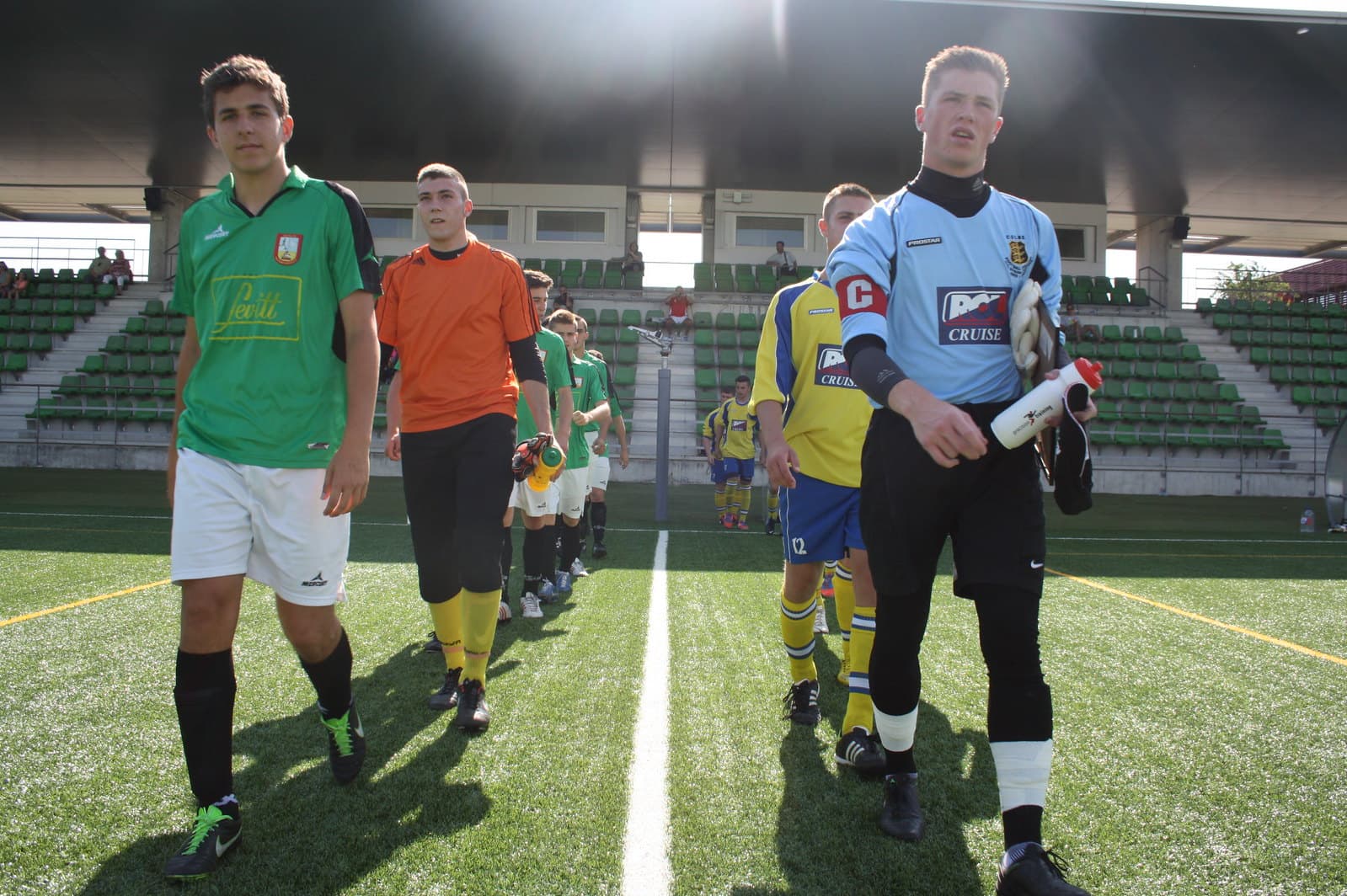
The matches are the reason teams come to Spain. Everything else on the itinerary is a frame around them. A well-matched, properly refereed friendly against a Spanish youth club is the single thing a visiting team will still be talking about a year later, and the single thing that is most likely to be done badly if the operator does not know the local clubs by first name.
The first thing to understand is that Spanish youth football runs on a structured pyramid. Every professional club, Barcelona, Real Madrid, Valencia, Sevilla, Villarreal, Real Sociedad, sits on top of a network of affiliated clubs, partner academies, and feeder programs. Below them is a densely populated middle tier of semi-professional and regional clubs whose youth teams are genuinely competitive. Below that is the amateur level. What we call arranging a friendly is choosing, for a given visiting team's age, strength, and time of year, the right layer to drop them into for a morning.
The mistake most new tour operators make is to quote a match against a local Spanish team without specifying which layer. We have inherited groups whose previous operator promised matches against Barcelona affiliates and delivered, when the buses arrived, matches against a local recreation league. The Spanish clubs were not hiding anything. They had no idea the visiting group thought they were playing an academy team. The operator had collapsed three tiers into a single phrase to make the sale easier. We spend a lot of time untangling this for people who come to us for their second Spain tour.
What we do instead is confirm the match level in writing, name the club, and, where appropriate, describe the specific age group within that club that we have secured. For a U14 team from Denver on one of our youth soccer tours to Spain, we might arrange a match against the U15 side of a Segunda RFEF affiliate. A real, organized youth team, one division below the professional tier, competitive without being crushing. For a U18 high school team from Sydney, we might look at a Tercera Federación youth side, or the reserves of a Segunda División B academy. The matching matters. A mismatched game, too easy or too hard, is a wasted match.
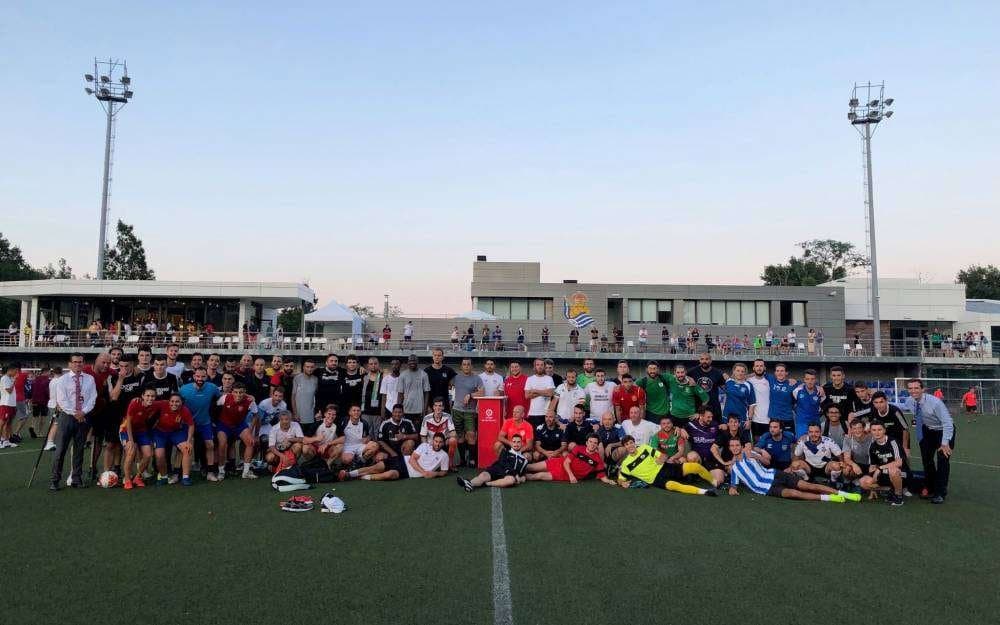
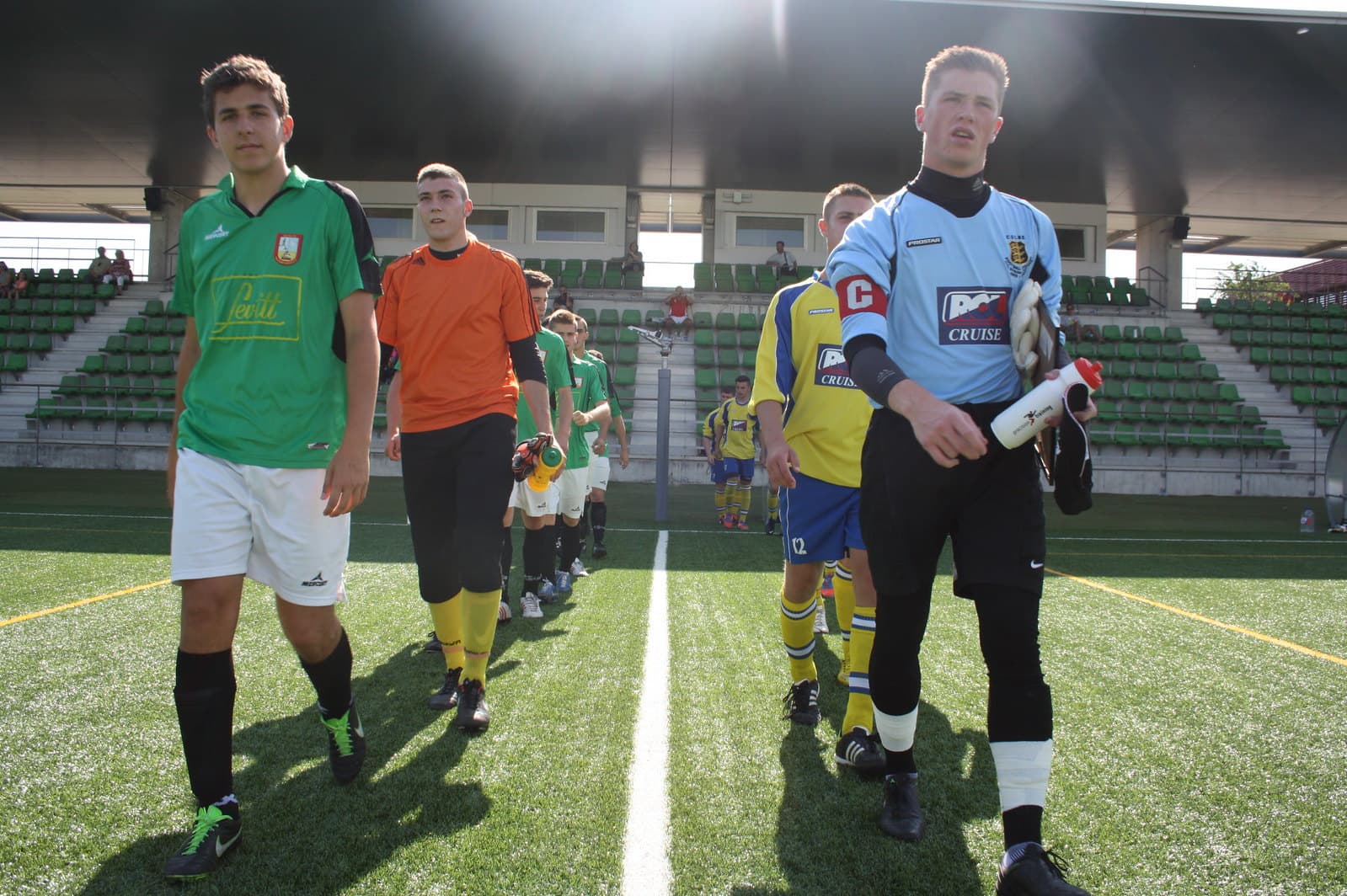
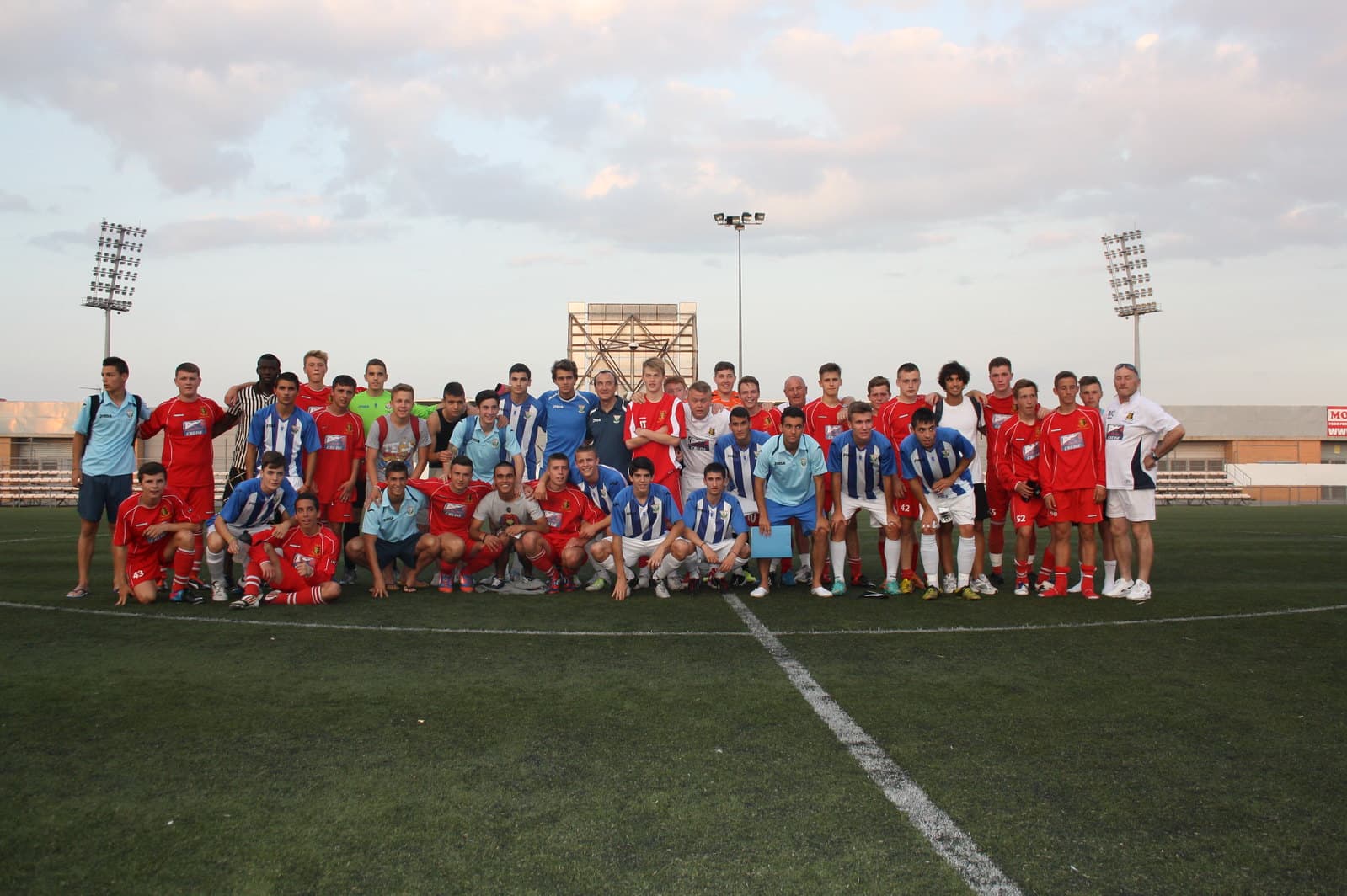
The logistics underneath all of this are the part nobody on the visiting side ever sees. Pitch bookings at real grass or 3G surfaces. Spanish federation referees, not volunteers. Medical cover. Kit storage. A translator if the home coach wants to exchange a few words before kickoff, which happens more often than people expect. A post-match handshake line that is not rushed, because the Spanish side will want to mark the moment, and the visiting side will spend the rest of the week talking about it. None of that is visible on an invoice, but all of it is the reason a match becomes a memory.
Our rule is two friendlies per week, not more. Three matches in seven days is physically possible but mentally saturating. Two matches, spaced three or four days apart, with a full training session in between, is the rhythm that leaves players still excited for the second game. This applies equally to our school football tours and club trips. Groups who insist on three matches usually come back to us on their next tour and ask us to cut it to two. We quietly say yes.
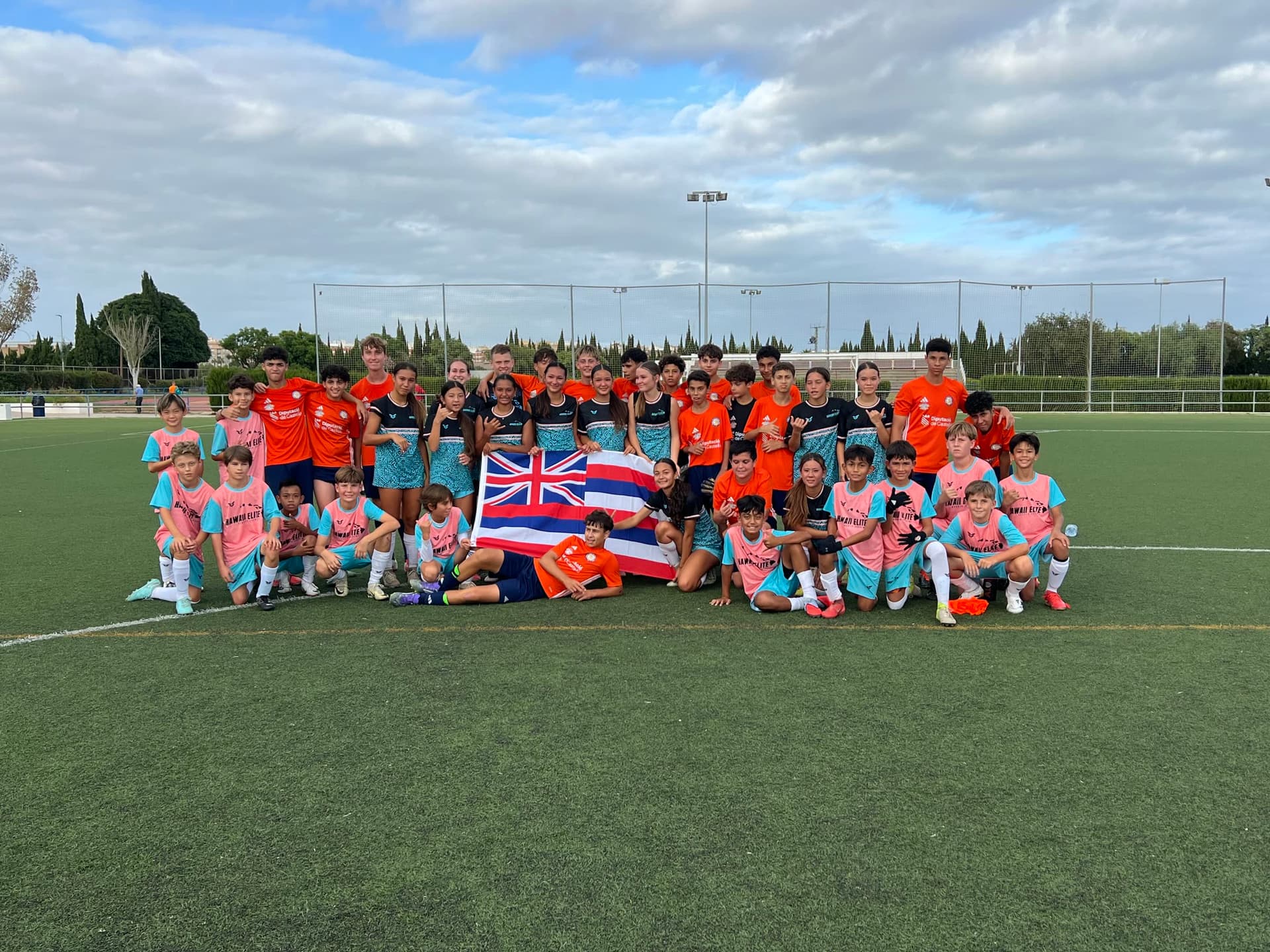
The final and most important thing we tell every coach before they commit to a Spain tour is this. The result of the friendly does not matter. A Spanish youth academy will probably beat your U16s. They beat almost everybody. What matters is the ninety minutes in between, where twenty-two teenagers from opposite sides of the world figure out that they are playing the same sport. The visiting players come off the pitch changed. We have watched it happen for twenty years. It does not get old.