How to Plan a Food and Wine Tour of Spain for a Group
20 August 2026 · Aitor Corres, Middle East Specialist

20 August 2026 · Aitor Corres, Middle East Specialist
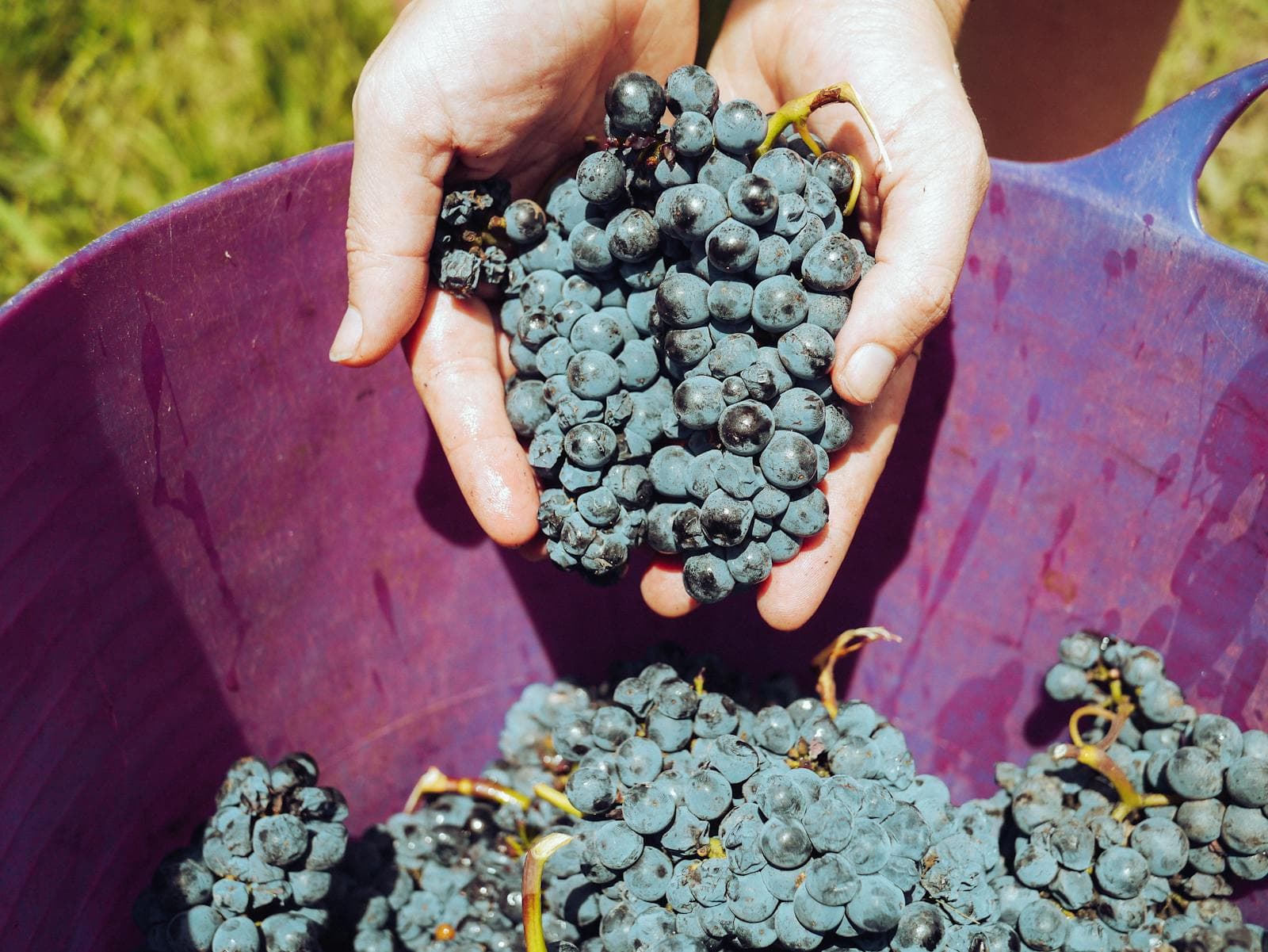
Most groups start planning a food and wine trip to Spain by picking cities, and most of them pick the wrong ones. The mental map of Spain that people arrive with runs Madrid, Seville, Granada, which is a wonderful cultural route and a mediocre eating one. The food is in the north.
This is a practical guide to building the trip properly for a group of 15 to 30 adults: where to go, how long it takes, what it costs, when to travel, and the planning mistakes that show up on day four.
Spain has four regions that genuinely justify a trip built around eating, and three of them sit within a few hours of each other along the north.
La Rioja and Navarra are the wine country. Family vineyards around Haro that will take a group through a harvest, Bodegas Marques de Riscal in Elciego where Frank Gehry wrapped a working winery in titanium ribbons, and the villages of the Rioja Alavesa where lunch is chuletillas al sarmiento, lamb chops grilled over vine cuttings, and nothing else needs to happen that afternoon.
The Basque coast is the eating. San Sebastian has one of the highest concentrations of Michelin stars per resident anywhere, but the reason to bring a group is the pintxos culture in the Parte Vieja, where the custom is to eat one thing and one glass in a bar and then leave for the next one. It is the most sociable food in Europe and it works unreasonably well for a group of twenty. Bilbao, an hour west, adds the Guggenheim and the Mercado de la Ribera.
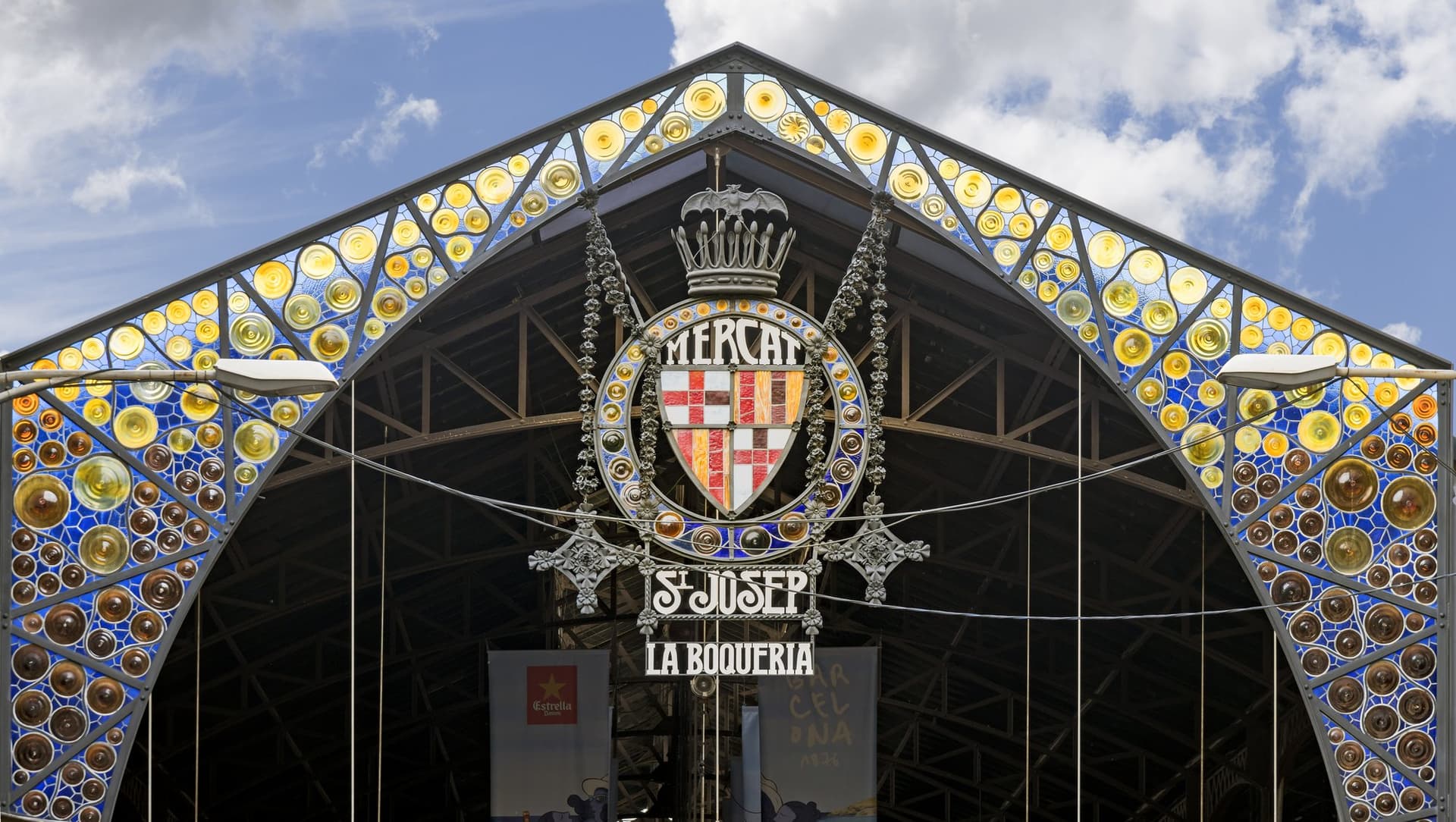
Catalonia and the Penedes give you Barcelona, La Boqueria and cava country an hour outside the city, among the vines rather than in a visitor center.
Andalusia is the fourth, and it is a different trip: sherry, olive oil, Andalusian cooking, and the Moorish monuments around it. It is a magnificent week. It is just not primarily a wine week, and trying to combine it with the north inside seven days means spending the week on a coach.
Eight nights is the honest number for the northern route from Barcelona to Bilbao. Seven works. Six works if you cut the Pamplona day. Below that you are choosing between the wine country and the Basque coast, and either on its own is better than half of each.
Groups often ask whether they can add Madrid or Seville to the same week. They can, and we have built it, but the trip stops being about food somewhere on the second long driving day. Ten nights or more is when a genuine two-region trip becomes comfortable rather than heroic.
Our own eight-night route, Sabores de Espana, is priced from 2,595 euros per traveler for ground services, based on 20 travelers sharing twin rooms. That covers 4-star hotels the whole way, the Penedes cava lunch, the Rioja harvest visit with a five-course pairing lunch, the Marques de Riscal tasting, a hands-on Basque cooking class, the guided pintxos crawl, a flamenco dinner in Barcelona, a full day in Pamplona with a farewell Navarrese dinner, the Guggenheim, and a private 50-seat coach with driver and bilingual leader for all nine days. International flights are separate.
The figure moves with group size, season, trip length and hotel category. Twenty travelers is roughly the point where the per-person cost of the coach and the guide stops hurting. Below fifteen it climbs noticeably. Above thirty the tastings have to be split into two sittings and the character of the trip changes.
Be skeptical of any quote that does not tell you what is inside it. The line that matters is whether the winery visits, the cooking class and the group dinners are included or sold to you again once you are on the ground.
September and the first half of October if the harvest is the point. The vendimia is real work happening on a real schedule, and a group that arrives during it gets something no amount of money buys in July. The trade-off is that harvest dates move with the weather, and the bodegas worth visiting are committed early, so a September group should be holding dates around a year ahead.
May and June are the other good window. The weather has settled, San Sebastian is busy but not yet impossible, and prices sit below the autumn peak.
July and August are workable, but inland Spain is genuinely hot and a significant part of the wine trade is on holiday in August. November through March is quiet and cheap, and the north is grey and wet, which some groups love and most do not.
The first is stacking. A winery lunch and a winery dinner on the same day is not twice as good, it is half as good, because nobody tastes the second one. The same applies to a cooking class on top of a four-hour drive. Build one substantial thing into each day and leave the afternoon alone.
The second is booking a cooking class in every city. Groups that cook three times stop noticing the difference by the third. One class, taught properly and hands on, is the thing people talk about afterwards.
The third is underestimating driving time and then putting activities on the days that have it. A travel day should be a travel day: arrive, rest, have dinner. We strip activities off any day with three or more hours of coach movement, and every group that has argued with us about it during planning has thanked us for it in the second half of the trip.
If you are two people rather than a group, this is not what you want. A private tour spreads the cost of the coach, the guide and the group bookings across the travelers, so a couple is far better served by a scheduled small-group departure from an operator who sells seats, or by booking the bodegas yourselves and driving.
If what you want is a three-hour tapas walk in Seville or a flamenco and tapas evening in Madrid, that is a day-activity purchase, not a tour operator purchase. Book it locally or through one of the large activity marketplaces and keep the difference.
And if budget is the deciding constraint, a scheduled coach departure from one of the large international operators will beat a private trip on price. What it will not do is put your group at one table, move the dates to suit you, or get a family vineyard to open on a day it would otherwise be closed.
Odisea Tours is a Spanish ground operator, not a foreign tour company with a Spanish subcontractor. We have run group travel here since 2005, and every bodega, restaurant, cooking school, hotel and coach on these routes is contracted by our own team in Spain. Groups run private, 15 to 30 travelers, with the route built around what your people actually want.
The full picture, the regions, the pace, what a culinary week costs and how the routes are structured, is on our Food and Wine Tours of Spain pillar. The day-by-day for the flagship route lives on the Sabores de Espana tour page, and if the trip is more about art and history than the table, start with Cultural Tours of Spain. To get a route and a per-person figure, tell us who is coming.
Odisea Tours plans and operates private food and wine tours of Spain for groups of 15 to 30 adults traveling from the United States, Canada and Australia. We are a Spanish company based in Benicassim, Castellon, operating since 2005, and we contract the bodegas, cooking schools, restaurants, hotels and coaches directly with our own team in Spain. The flagship route, Sabores de Espana, runs eight nights from Barcelona through the Penedes, La Rioja, San Sebastian and Pamplona to Bilbao, from 2,595 euros per traveler for ground services at 20 travelers, twin sharing.
September and early October if the harvest matters, because that is when the vendimia is happening in Rioja and Navarra and a family vineyard will let a group pick and press. Harvest dates move with the weather and the good bodegas fill early, so hold dates about a year out. Late spring, May and June, is the other strong window: settled weather, San Sebastian not yet full, and prices below the autumn peak.
Three or four across the whole trip, not one a day. Palates flatten after the second tasting of a day, and a wine lunch stacked on a wine dinner stops being a pleasure by midweek. The stronger structure is one substantial food or wine thing per day, with the afternoon left open, and one hands-on cooking class across the week rather than three.