Five Reasons US Clubs Keep Choosing Spain Over England
16 June 2026 · Juan Sanchez, Director, Odisea Tours

16 June 2026 · Juan Sanchez, Director, Odisea Tours
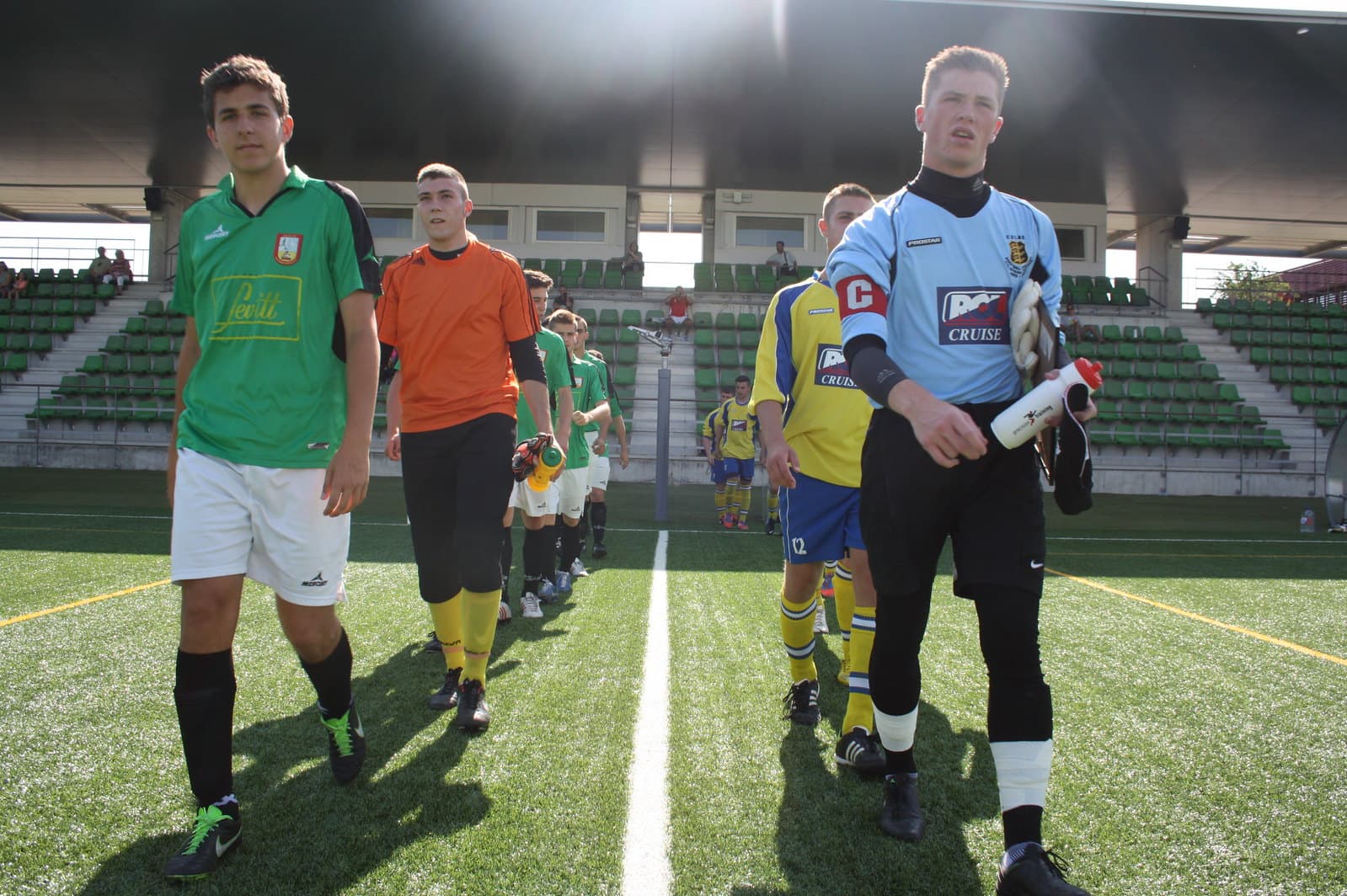
For about a decade, the default first overseas soccer tour for a US club was England. Manchester, Liverpool, London. The Premier League shirts, the stadium tours, the academy visit if you could get one. We have watched that default break over the last five years. More and more American clubs are skipping England on their first Europe trip and coming straight to Spain, and when we ask the coaches and directors why, the reasons come back in the same five shapes every time. This is the operator's view of those five reasons, written from the side of the bus, after twenty years building group sport tours in Spain since 2005.
None of this is a knock on English soccer. England is the home of the professional game and an English tour can be a great trip. But a US club planning its first or second soccer tour of Spain is making a value decision and a development decision at the same time, and on both of those, Spain has quietly pulled ahead. Here is why.
A soccer tour to Spain is meaningfully cheaper than an England tour at the same quality level, and that gap usually turns into extra days on the ground. Hotel rates in Madrid and Valencia run well below comparable London properties. Private coach transport costs less per mile in Spain. Training-facility access is more open and less locked behind corporate pricing. Add it up across a two-week trip and the difference is rarely trivial, it is often a third of the total. For most of the US clubs we work with, that saving is the difference between a seven-night tour and a ten-night tour. Three extra nights of real soccer is a trade-off very few directors turn down once the math is in front of them.
Spain gives you warm, dry, playable conditions across far more of the year than England does, and on a tour where every training session and every match is paid for, that matters. A US team that lands in England in spring or fall can find cold, grey and wet, the kind of weather that turns the back half of a friendly into a grind and shortens what the players get out of a morning session. The same team landing in Barcelona, Valencia or Madrid finds sun and pitches that hold up. Players are fresher, training absorbs more, and matches run the full ninety at intensity. Coaches are not soft about weather, but they are realistic about what a jet-lagged sixteen-year-old gets out of a session in the cold versus a session in the sun.
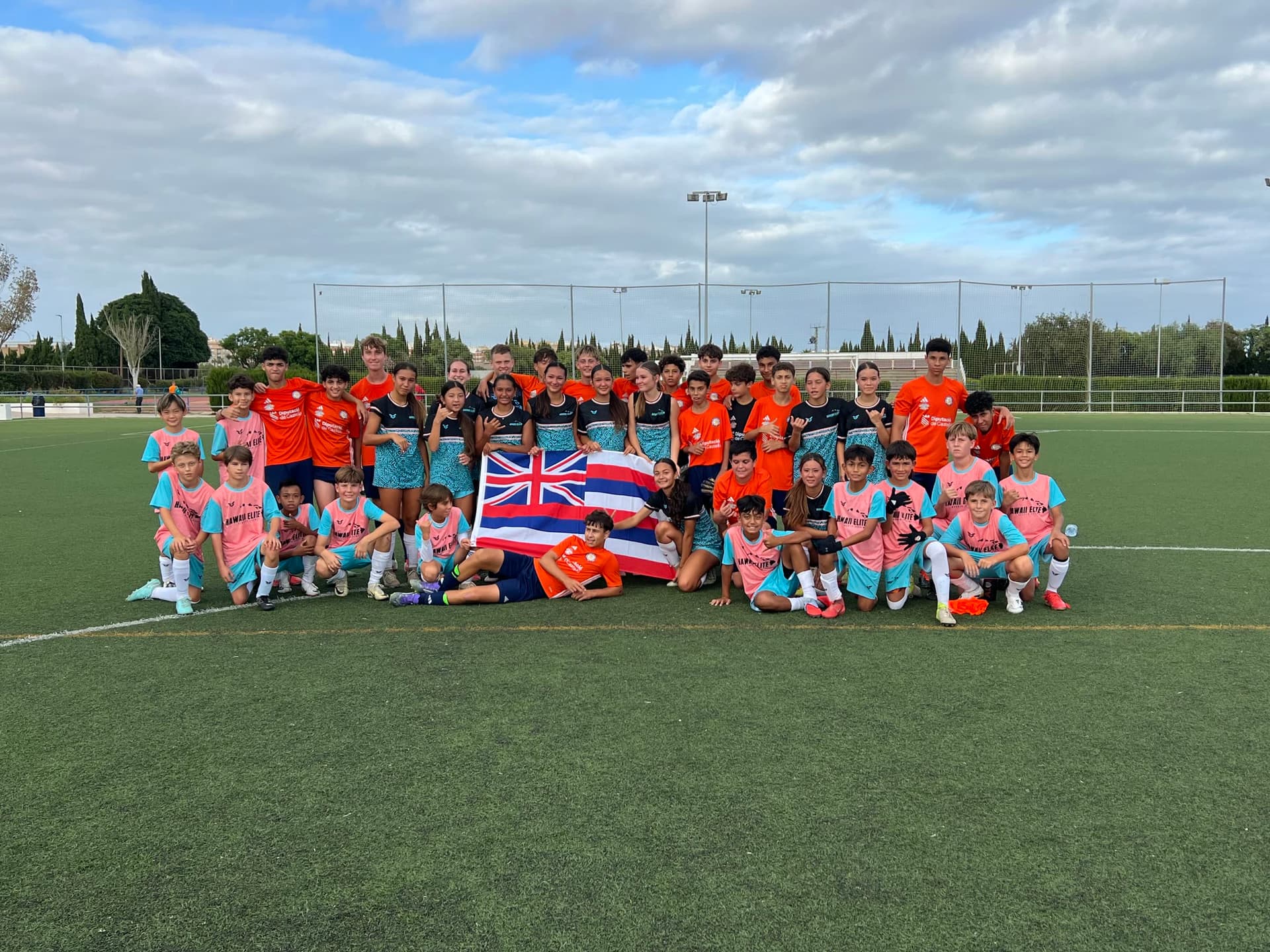
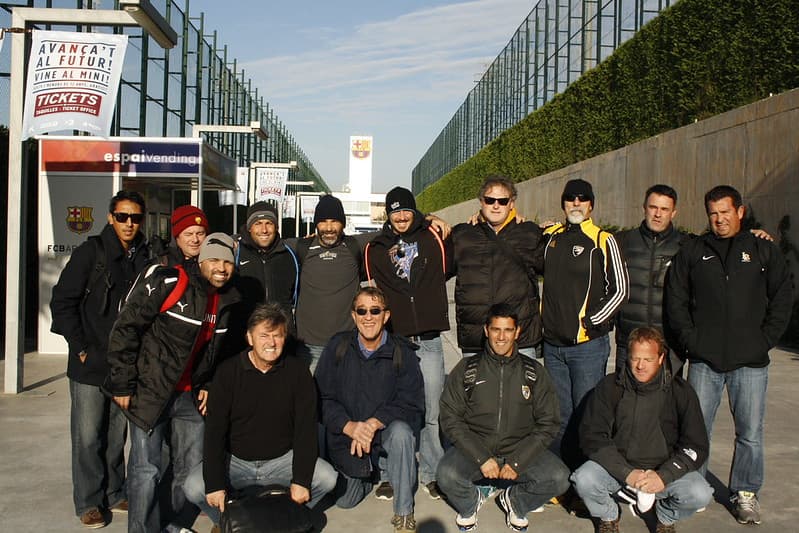
The training homes a US club can reach in Spain are genuinely elite, and they are more accessible than their English equivalents. Through Odisea Tours, US groups run visiting-team sessions at FC Barcelona's Joan Gamper complex, at Valencia CF's Paterna training ground, and at the Spanish FA's headquarters in Las Rozas, each session led by the host club's own coaching staff. Add stadium days at the Bernabéu, Camp Nou and Mestalla, and the week is built around environments most American players have only seen on a screen. In England, top-flight academy access is tighter, more corporate and more expensive when it is available at all. We are careful here: these are organized training experiences and stadium visits, not official partnerships, and on-field matches are arranged against Spanish academy or amateur sides matched to your age and level rather than against the marquee club itself. That distinction is exactly the kind of thing a serious operator should tell you up front.
The possession-based soccer that now defines the English top flight was built in Spain, and the coaches exporting it to England are almost all Spanish or Spanish-trained. Pep Guardiola, a Catalan raised in FC Barcelona's La Masia academy under Johan Cruyff, has turned Manchester City into the most dominant side in Premier League history: six league titles in seven seasons, including an unprecedented four in a row from 2021 to 2024, plus the 2023 treble of league, FA Cup and Champions League. Mikel Arteta, a Basque from San Sebastián and Guardiola's former assistant, has rebuilt Arsenal in the same image into back-to-back title runners-up. Unai Emery, also Basque, took Aston Villa back into the Champions League in 2024 and is the most successful manager in Europa League history with four titles. The blueprint they all run, positional play and control of the ball, is Spanish to the core.
The pioneer was Rafa Benítez. Years before this wave, the Madrid-born coach arrived at Liverpool in 2004 and within a single season won the 2005 Champions League, the famous Istanbul comeback against AC Milan, then added the FA Cup in 2006. He proved a Spanish coaching mind could land in England and win the biggest prize in Europe. Two decades later, the Premier League's leading benches are essentially a roll call of Spanish ideas, and the trend is only deepening as more Spanish and Spanish-schooled coaches move into the English game.
This is why, for a US club, training in Spain is not a detour, it is a trip to the source. American youth development has spent the last decade absorbing the same possession-first identity, the rondo as a teaching tool, the juego de posición that City and Arsenal now run in England. When your players train at FC Barcelona's Joan Gamper or Valencia CF's Paterna, they are not learning a foreign style they will never use again, they are standing where the philosophy that runs the Premier League was actually built. England shows you where those ideas arrived. Spain shows you where they came from, and traveling to the source is the more intelligent move.
For a US player, Spain is genuinely foreign in a way that turns a soccer tour into the bigger experience parents are really paying for. To an American teenager, England can feel close to home: the shared language, the familiar menus, a currency that converts in your head without trying. Spain asks more of them. The food is different, the day runs on a later clock, the streets feel older, and the players have to navigate a language they do not speak. That friction is the point. A good soccer tour is partly about the matches and partly about a group of teenagers discovering the world is larger than they pictured. Madrid, Valencia and Barcelona deliver that second half of the trip with ease, and it is consistently the part players talk about on the bus long after the scorelines are forgotten.
None of these five reasons is a secret, and that is rather the point. Five years ago, choosing Spain over England for a US club's soccer tour was a contrarian call we had to argue for. Today the conversation has flipped, and the question is no longer whether Spain can match an English tour but whether an English tour can match what Spain now offers a developing American side. If you are a coach or director weighing your club's first or next trip, the honest next step is a conversation, not a brochure. Tell us your squad size, your players' ages, how many families travel and your window, and we will draft an itinerary that names the cities, the training homes and the hotels and prices it per person. You can see how we build for American groups on our tours for US teams page, read the full breakdown on the Soccer Tours in Spain pillar, and when you are ready, start planning your tour here.
Yes. A soccer tour to Spain is meaningfully cheaper than an equivalent tour to England at the same quality level. Hotel rates in Madrid and Valencia run well below London, ground transport costs less per mile, and training access is more open and less corporate. For most US clubs the saving is the difference between a seven-night and a ten-night trip, so the same budget buys two or three more days of real soccer in Spain than it would in England.
Yes. Odisea Tours arranges visiting-group training sessions for US teams at FC Barcelona's Joan Gamper complex, Valencia CF's Paterna ground, and the Spanish FA headquarters at Las Rozas, each run by the host club's own coaching staff with an Odisea director translating. These are organized training experiences and stadium visits, not a claim of official partnership, and they are the part of a Spain soccer tour US clubs most often come for.
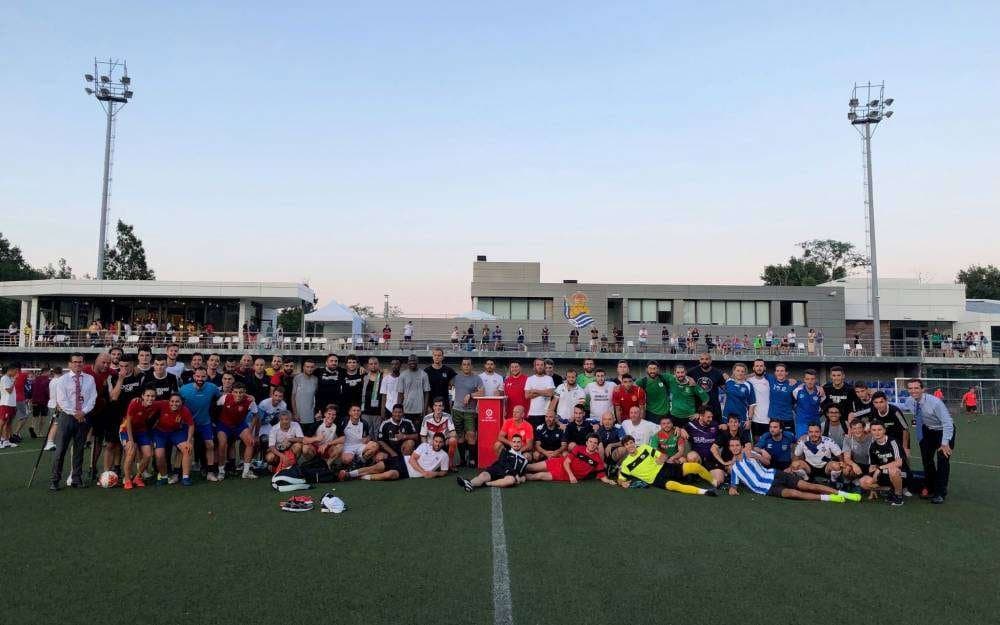
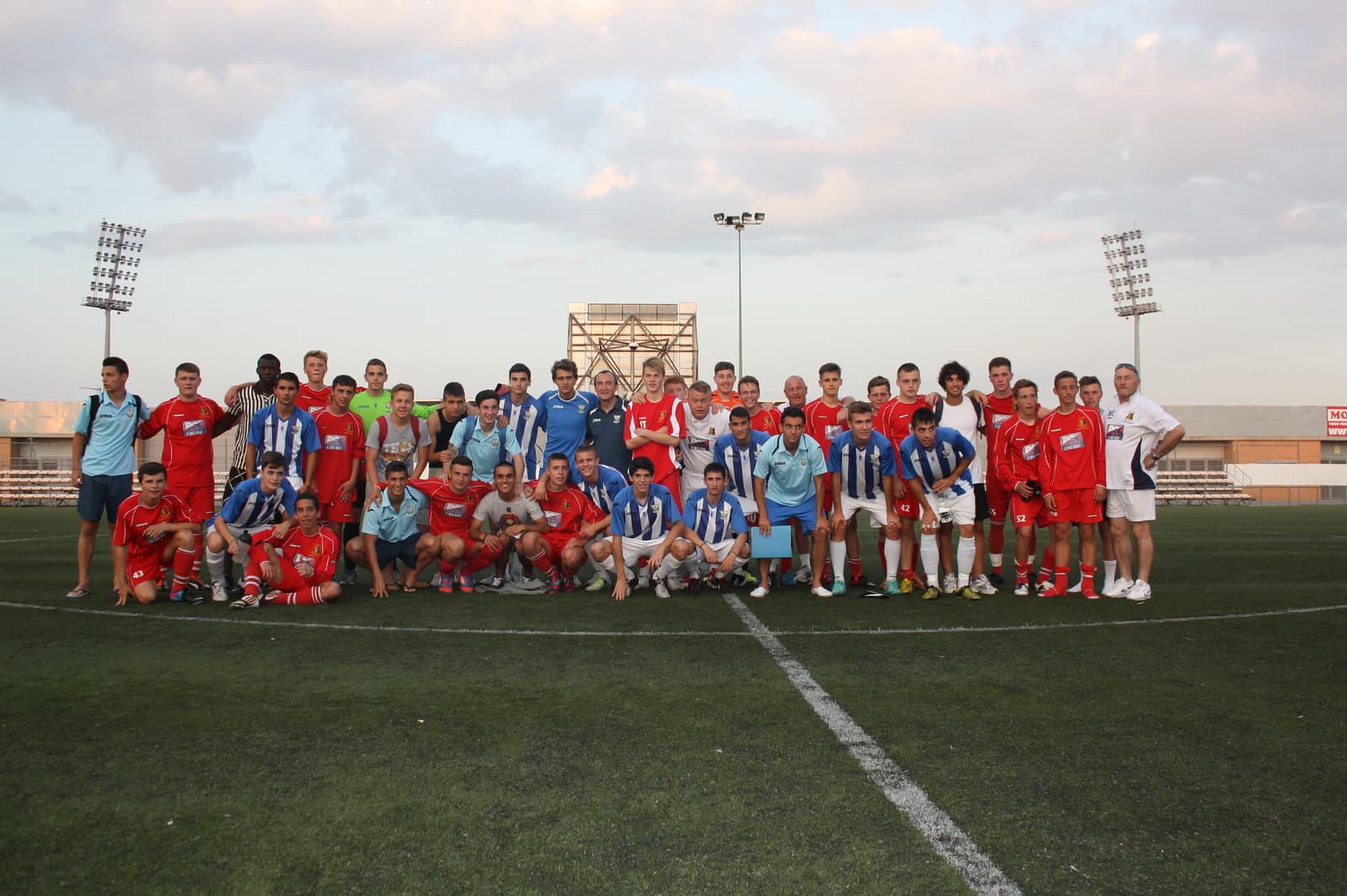
US teams play friendly matches against Spanish academy or amateur sides matched to your age and level, confirmed in writing with the club name and opponent age group before departure. The usual shape is two friendlies per week, which is enough to test the players without over-fatiguing them. Top La Liga academy first teams do not normally play visiting tour sides, so we match you to organized, properly coached opposition at the right tier rather than overpromising a marquee name.
Spring and fall are the best windows for a US soccer tour to Spain. October and early November give warm, dry weather, strong facility and opponent availability, and lower prices, while late March through May lines up with many US school calendars. Spain stays playable far later into the fall than England, which is one of the practical reasons US clubs choose it.
Because the possession-based style that now dominates the Premier League was developed in Spain. Pep Guardiola at Manchester City (six league titles in seven seasons and the 2023 treble), Mikel Arteta at Arsenal and Unai Emery at Aston Villa are all Spanish coaches exporting the juego de posición they learned at home, and Rafa Benítez pioneered the path by winning the 2005 Champions League with Liverpool. For a US club, that makes training in Spain a trip to the source of the modern English game rather than to where those ideas ended up.