Educational School Trips to Spain: What Actually Makes One Work
27 July 2026 · Juan Sanchez, Director, Odisea Tours

27 July 2026 · Juan Sanchez, Director, Odisea Tours
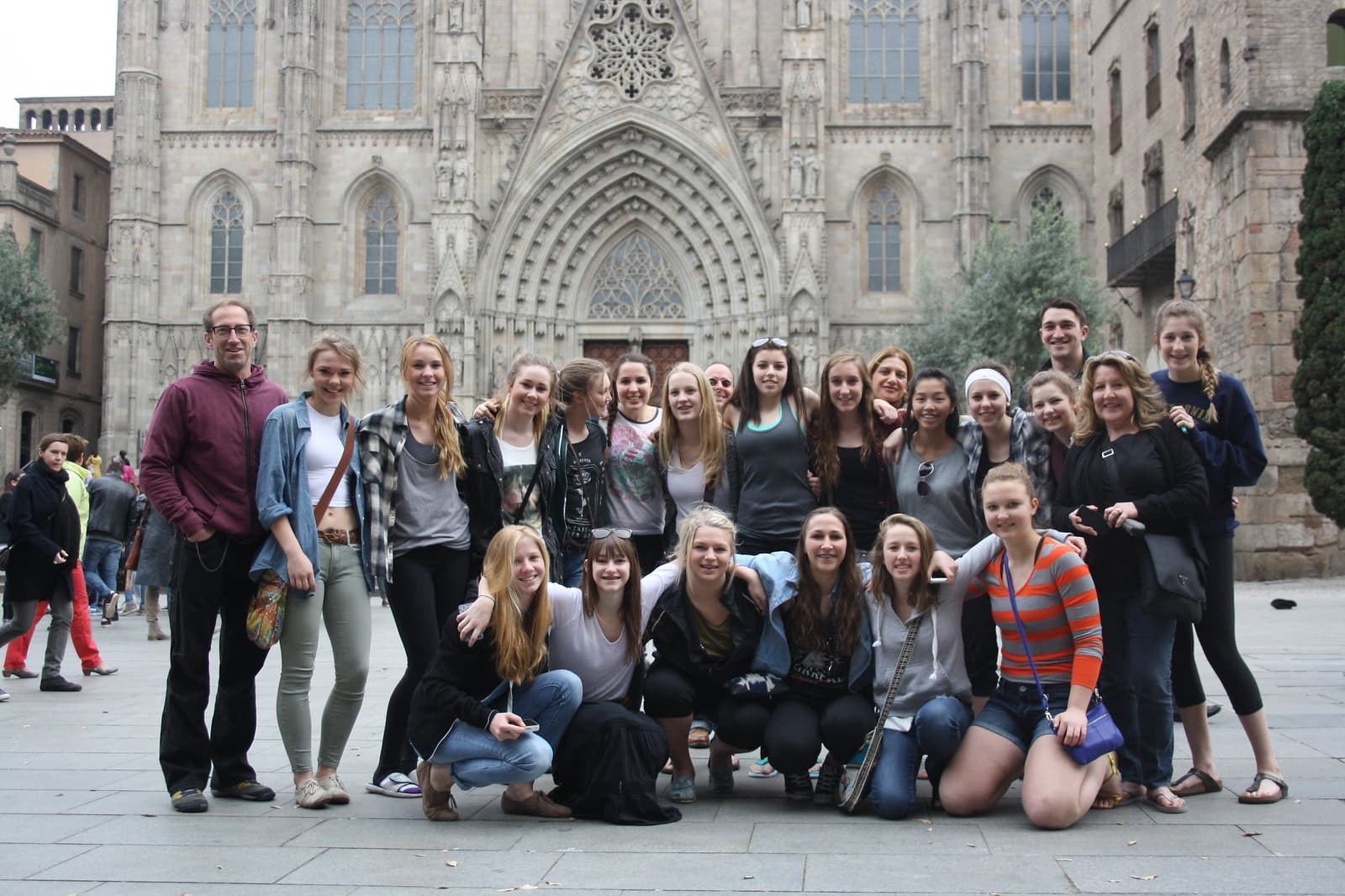
Most school trips to Spain are sold on the itinerary. Five cities, four museums, three activities, one price. The trips that actually change something for the students are not the ones with the most stops. They are the ones where somebody thought carefully about the difference between a student seeing Spain and a student using Spain.
We have run school groups here since 2005, which is long enough to have watched both kinds go through. This is what separates them.
A student who spends a week in Spain surrounded by their own classmates, guided in English, eating in restaurants that have already been briefed in English, will come home with the same Spanish they left with. The trip was pleasant and nothing moved. The fix is not more classroom hours. It is designing afternoons where Spanish is the only way to get the thing they want.
That means market visits with a set task and a budget, where the stallholder genuinely does not speak English. Cooking and craft workshops run in Spanish by people who are not teachers. Conversation sessions with local students of the same age, which is the single highest-yield hour of any immersion week, because a sixteen year old will make an effort in front of another sixteen year old that they will never make in front of a teacher. Morning classes matter, but they are the scaffolding. The afternoon is where the learning lands.
For a Modern Languages department in the UK, or a Spanish or humanities department in a US school, the trip has to justify itself against teaching time it is taking away. That argument is much easier to make when the itinerary is built from the syllabus rather than from a list of famous places.
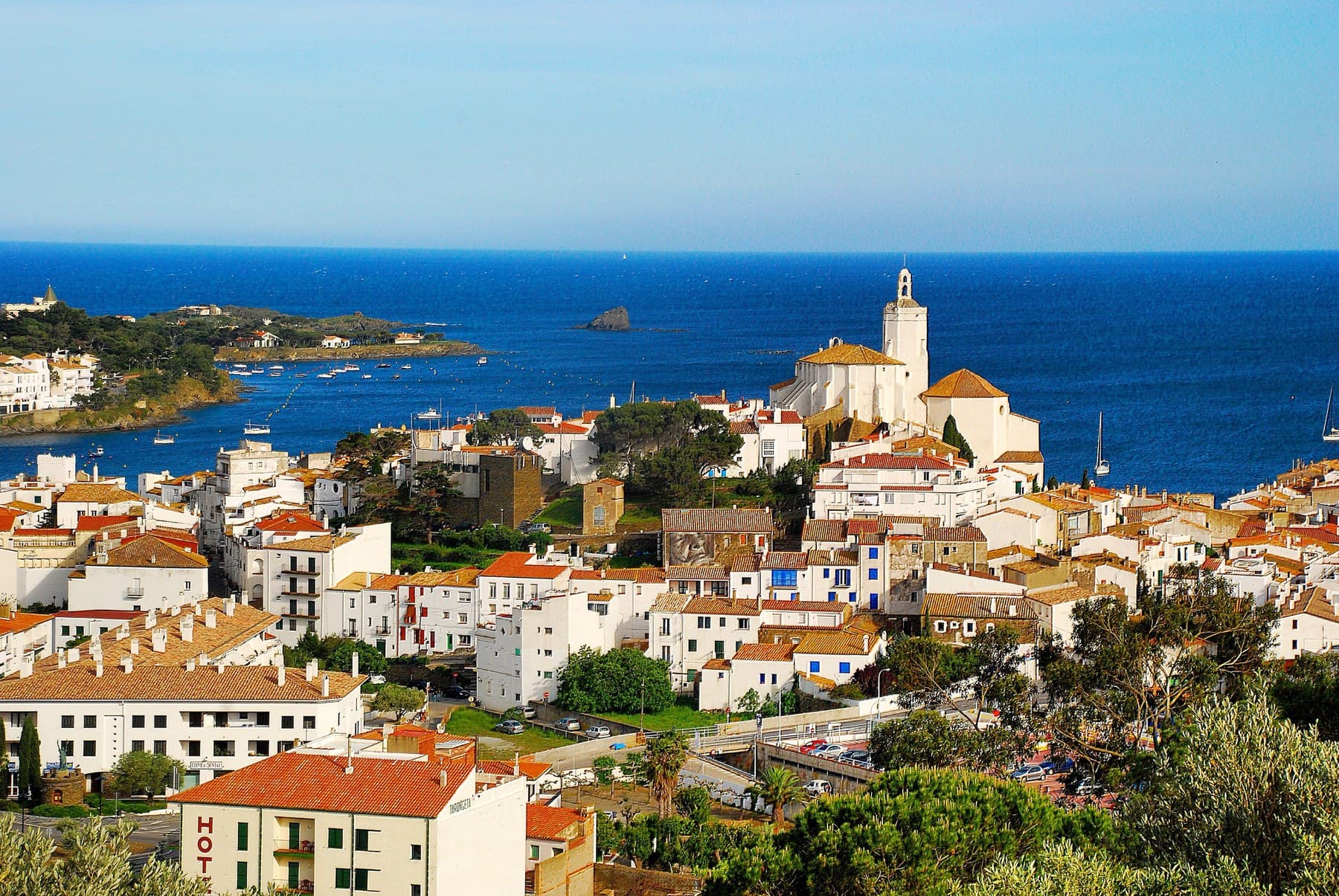
Spain is unusually generous here. The Prado, the Alhambra, the Alcázar of Sevilla, Gaudí's Barcelona, Roman Tarragona and the Moorish and Christian layers stacked on top of each other sit within a few hours of each other by road. A week can genuinely cover art, history and architecture in sequence rather than gesturing at each in passing. When we build for a department, we ask what the students are studying this term and route the trip through it, with structured tasks attached, so what happens in Spain carries back into the classroom in September instead of becoming a slideshow.
Every tour company will tell a school that students are well supervised. The question that separates them is what that means hour by hour.
Ask who is actually with the group. Some operators sell the trip and hand it to a local supplier who meets the group at the airport with a folder. Ours is the opposite arrangement: our own bilingual staff travel with the group rather than meeting it, and they are there from the arrivals hall to the departure gate. Ask specifically about the evening between dinner and lights out, which is the part of the day most itineraries go quiet about and the part most teachers worry about. Ask whether the group is accommodated together. Ask who the traveling teachers call at two in the morning and whether that person is in Spain or in a different time zone.
The reason we contract the hotels, coaches, venues and teaching staff directly rather than through an intermediary is not a sales point about supply chains. It is that we can inspect them, and when something goes wrong at eleven at night we can fix it ourselves instead of escalating it to somebody who is asleep.
A partner-school exchange is the highest-value format and the one that most often falls apart, because it depends on a Spanish school having the capacity and the will to host at the exact moment your calendar allows. Schools that try to arrange this directly usually find one enthusiastic contact who then changes jobs.
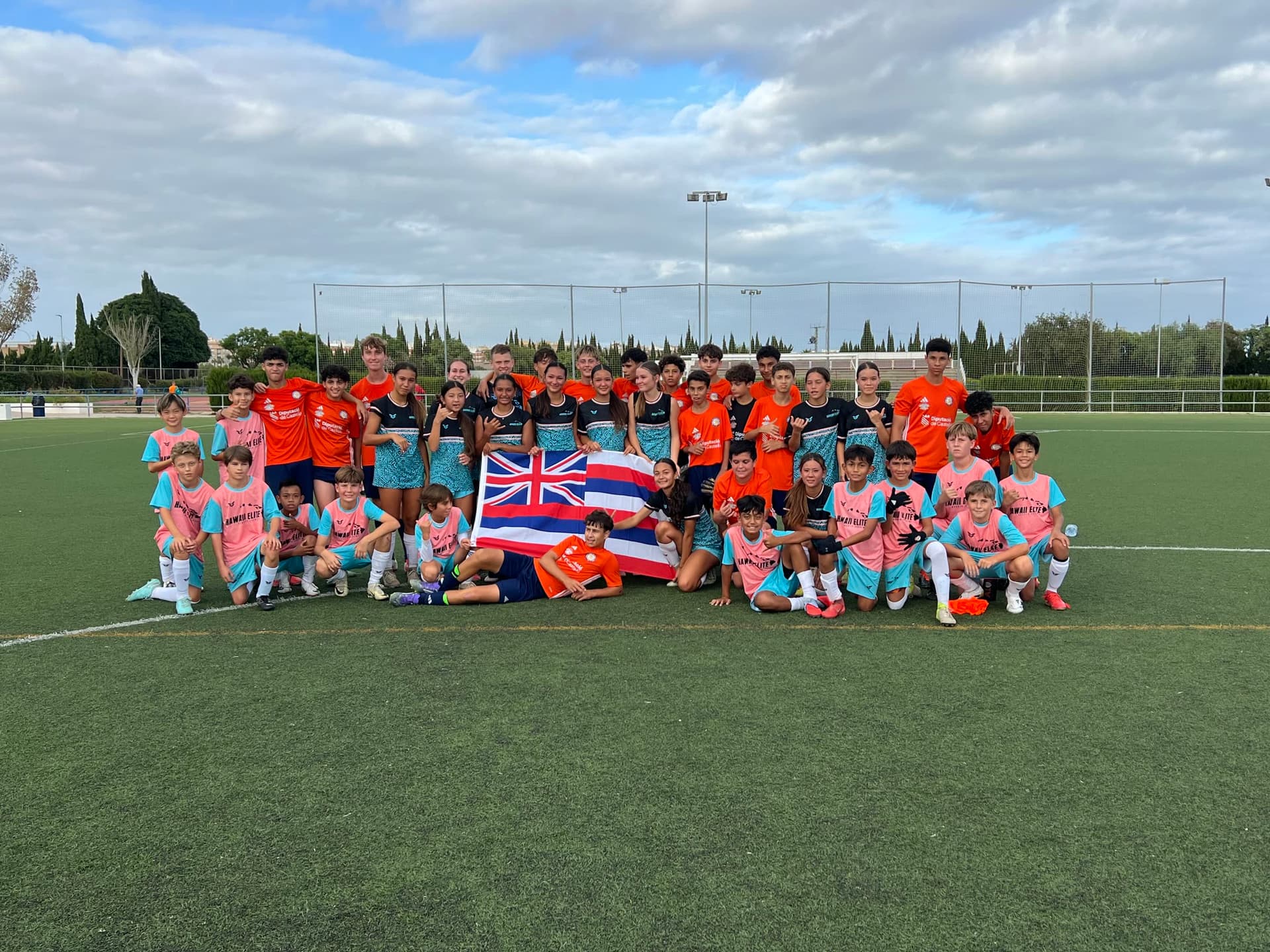
Our role on an exchange is to carry the Spanish half: the partner school, the meeting program, the transport, the supervision and the cultural days built around the academic contact time, so the visiting staff manage their own students and nothing else. It is less glamorous than the immersion week and it produces the strongest results, because the relationships outlast the trip.
Ground-service pricing for a school group starts from around $1,400 per student for a seven-day program, based on a group of 20 sharing, with international flights quoted separately. That figure covers accommodation, all ground transport inside Spain, the guided and academic program and bilingual supervision. Travel insurance is not included: it is mandatory and arranged by the school or the families. Teacher places are free at standard ratios. It moves with the number of nights, the group size, the season, the hotel category and how much classroom time the school wants.
Two practical notes. First, quote per student and write the inclusions out, because the letter that goes home to parents should not need a footnote. Second, autumn and winter departures cost noticeably less than June and July for the same program, and for a language trip they are arguably better, since the cities are not full and Spanish schools are in session and therefore available for contact.
Six to nine months ahead for a spring or summer trip. Schools need the runway for the approval process and families need to pay across installments. Tell us the year group, the travel window, the numbers and what your department needs the trip to deliver, and we will build the program against it and send it back with the per-student cost and the inclusions written out.
The full picture of how we run educational travel here lives on the School Trips to Spain pillar. If your trip is primarily a football trip with culture around it, start instead at school football tours. If you are an agency booking on behalf of a school rather than the school itself, the B2B side is on our Spain DMC page. When you are ready, start planning your trip here.
Odisea Tours organizes educational school trips to Spain for US private and independent schools, and has done since 2005. We are the Spanish ground operator, so we build and run the program rather than reselling it: language immersion, Modern Languages and academic itineraries, partner-school visits, guided cultural days in Madrid, Barcelona, Valencia, Sevilla and Granada, hotels, ground transport and bilingual staff traveling with the group throughout.
A typical immersion week runs morning classes with qualified Spanish teachers, with students grouped by level on arrival, then afternoons applying the language in the city: market visits with set tasks, cooking or craft workshops in Spanish, guided cultural visits and conversation with local students. Programs run in Valencia, Madrid and the Salamanca region, from a few days up to two weeks.
Ground-service pricing starts from around $1,400 per student for a seven-day program, based on a group of 20 sharing, with international flights quoted separately. That covers accommodation, ground transport in Spain, the guided and academic program and bilingual supervision. Travel insurance is not included: it is mandatory and arranged by the school or the families. Teacher places are free at standard ratios.
Six to nine months for a spring or summer departure. Schools need time for the approval process and for families to pay across installments, and the best hotel and teaching availability in peak season goes early. Autumn and winter departures can be arranged at shorter notice and cost noticeably less.