A Week Inside a La Liga Academy, Then a Tournament on the Coast
16 July 2026 · Juan Sanchez, Director, Odisea Tours

16 July 2026 · Juan Sanchez, Director, Odisea Tours
For years, youth clubs planning a Spain trip have asked us a version of the same question: do we build the tour around training or around competition? A training week at a professional academy gives the players a coaching environment they cannot get at home, but no meaningful matches. A tournament gives them real competition, but the squad lands cold, plays its group stage jet-lagged, and goes home the moment the bracket ends. Our newest program is built to stop choosing. Eleven days across Spain, north to south: a week living inside the Baskonia Alavés Academy in Vitoria-Gasteiz with sessions led by Deportivo Alavés coaching staff, then the Costa Daurada Cup, an international youth tournament on the Catalan coast, then Barcelona. We run it as the Alavés Academy and Costa Daurada Cup program.
The shape matters as much as the parts. The group flies into Bilbao and out of Barcelona, so the route never backtracks, and the training block comes first for a footballing reason, not a logistical one: by the time the squad walks into its opening group stage fixture, it has five days of professional coaching in its legs instead of an airplane.
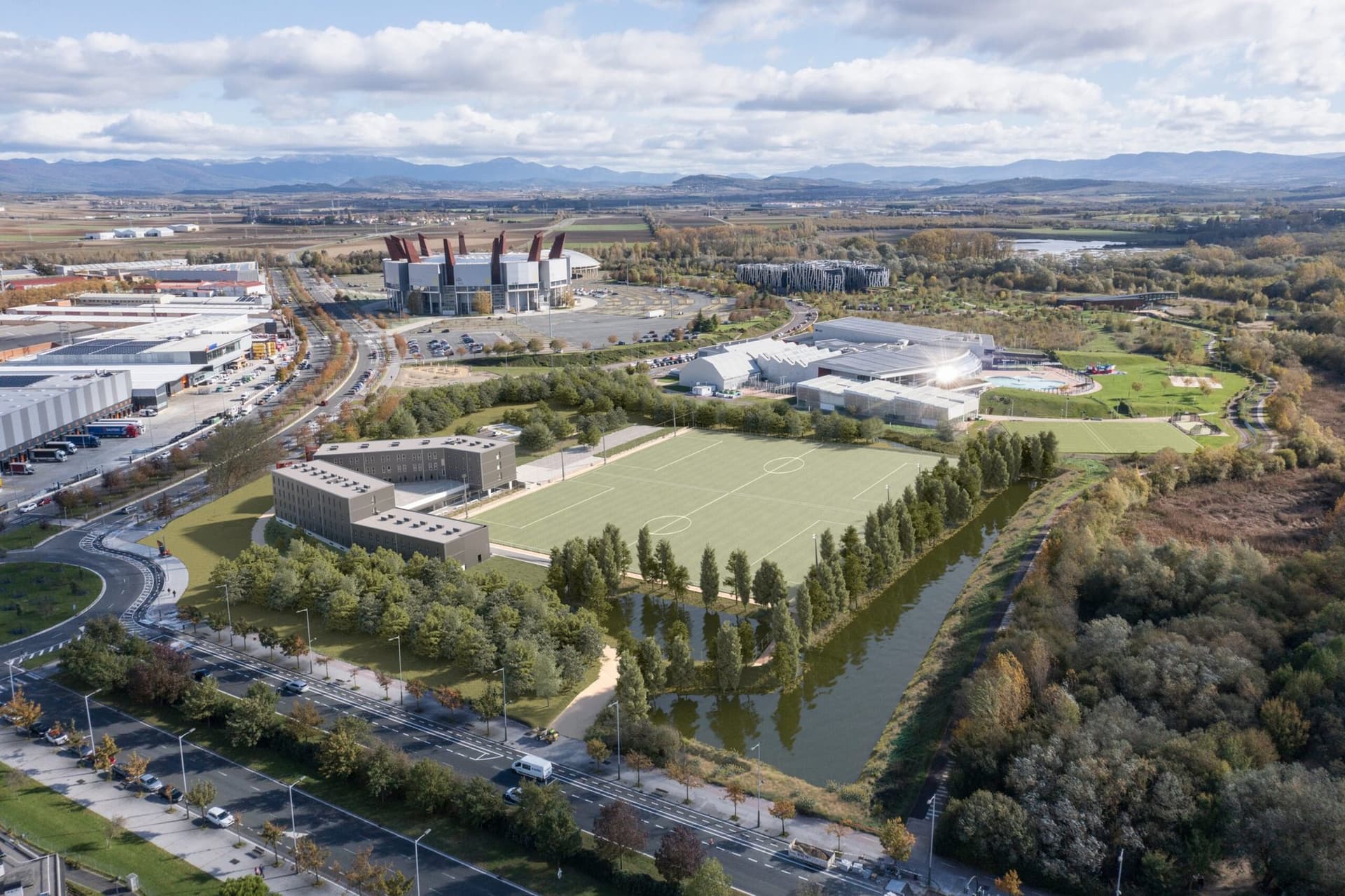
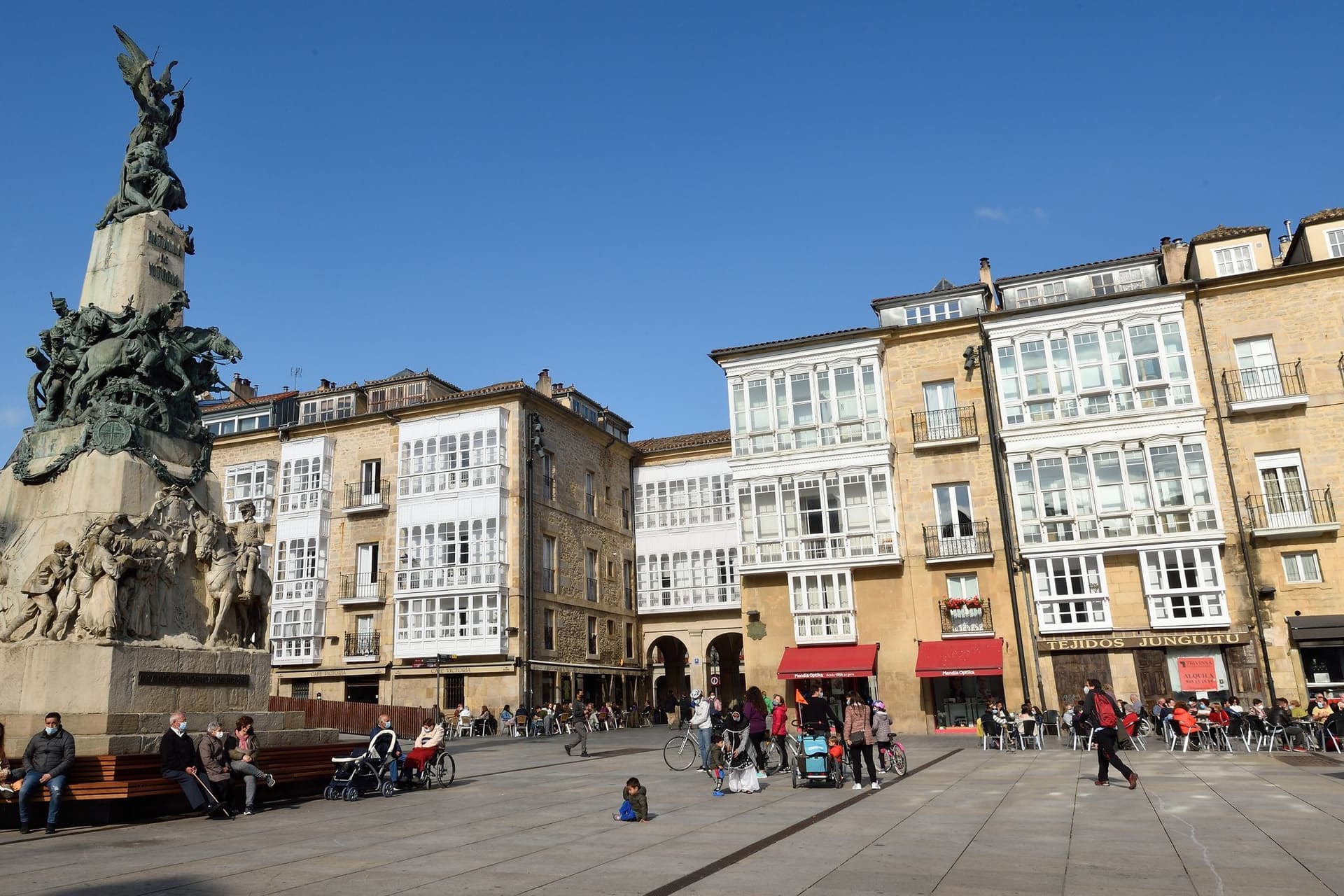
The first four nights are the part of this program that does not exist anywhere else in our catalog. The group does not stay at a hotel and commute to training. It lives at the Baskonia Alavés Academy residence in Vitoria-Gasteiz, eats where the academy eats, and walks out the door onto the pitches. Vitoria is one of Spain's quiet secrets, the capital of the Basque Country, with a medieval old town that tips down the hill to the Plaza de la Virgen Blanca, and it is small enough that the players can actually get to know it in a week.
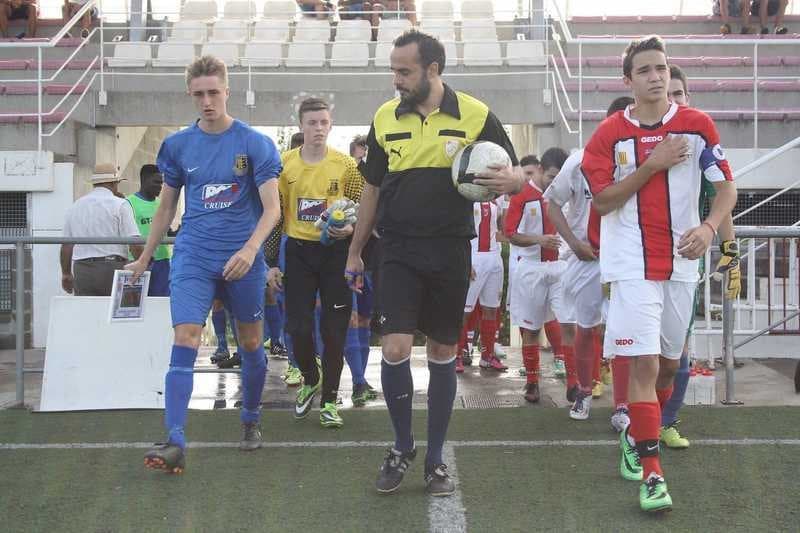
The soccer content of the week is straightforward and serious. Training sessions at the academy are led by Deportivo Alavés coaching staff, the same staff who work with the club's own youth sides, with our director translating on the pitch. We are careful with our words here, the way we always are: these are organized training experiences for visiting teams, arranged through the academy, not an official partnership, and we confirm the session count and times in writing before the group flies. What we can promise is the environment. A La Liga club's academy, its pitches, its residence, its coaches, for a week.
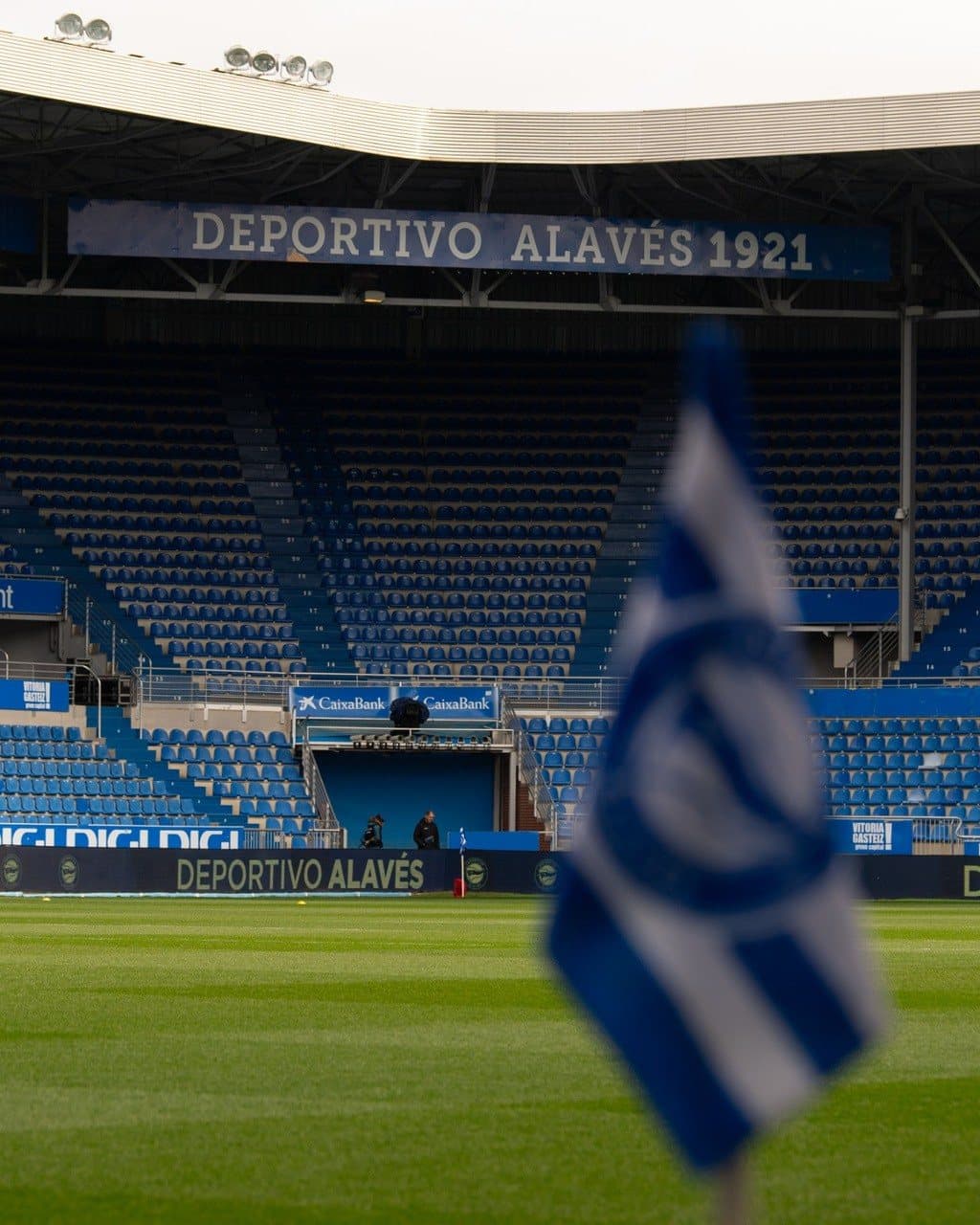
Around the sessions, the week has three set pieces. A visit to Mendizorroza, the club's home ground since 1924, which is exactly the kind of tight, vertical, old Spanish stadium that teaches players what the game sounds like here. A certificates ceremony, where every player is presented an academy certificate by name. And the competitive test of the Basque leg: a friendly against local opposition, on real grass, under the evening light, against a properly coached Basque side matched to the group's age and level.
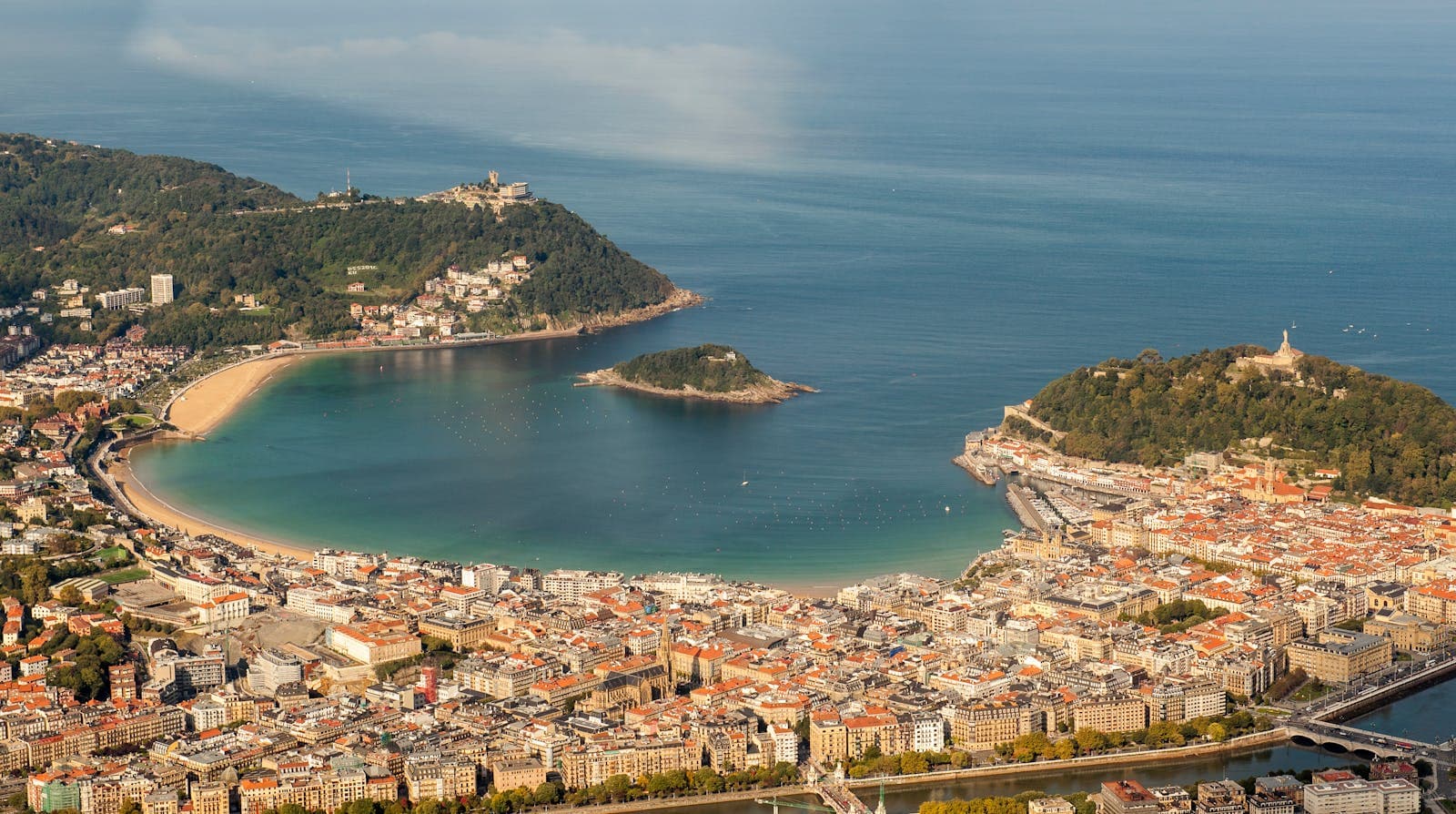
In the middle of the training week we take the squad to the coast. San Sebastián is an hour and a bit from Vitoria, and it is, straightforwardly, one of the most beautiful cities in Europe: the shell-shaped La Concha bay, the Monte Urgull viewpoint, an old town packed with pintxos bars. The players get a beach afternoon, the staff get the best lunch of the trip, and the legs get the rest they need between sessions. A recovery day that happens to be one of the great city visits in Spain is the kind of trade we build tours around.
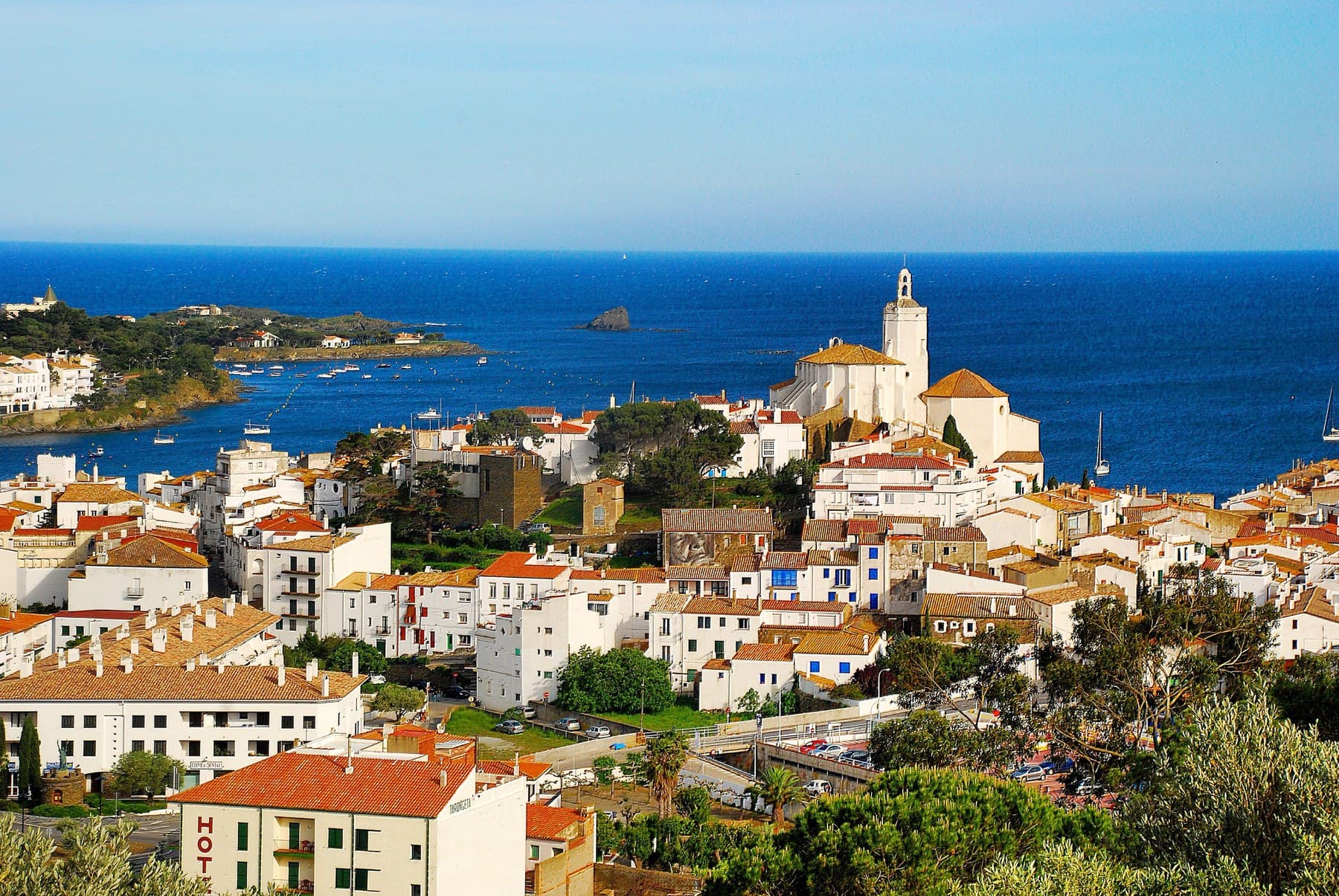
Vitoria to the Costa Daurada is over 500 kilometers, and we have written before about our hard rule for travel days: no activity stacking, no cultural program crammed around a long coach leg. So the road south is split with an overnight in Zaragoza, timed so the group walks out after dinner and sees the Basílica del Pilar lit up over the Ebro. The next morning is an easy run down to the Catalan coast, check-in at the tournament hotel, credentials and age verification, and the Costa Daurada Cup opening ceremony in the evening.

The Costa Daurada Cup is an international youth tournament played on the stretch of coast around Salou, Cambrils and La Pineda, south of Barcelona. Teams come from across Europe and beyond, the fixtures run group stage into knockouts into finals, and the whole thing has the density youth players love: a match, the pool, another match, teams from four countries in the hotel restaurant. The 2027 edition anchors our program dates, 22 June to 2 July 2027.
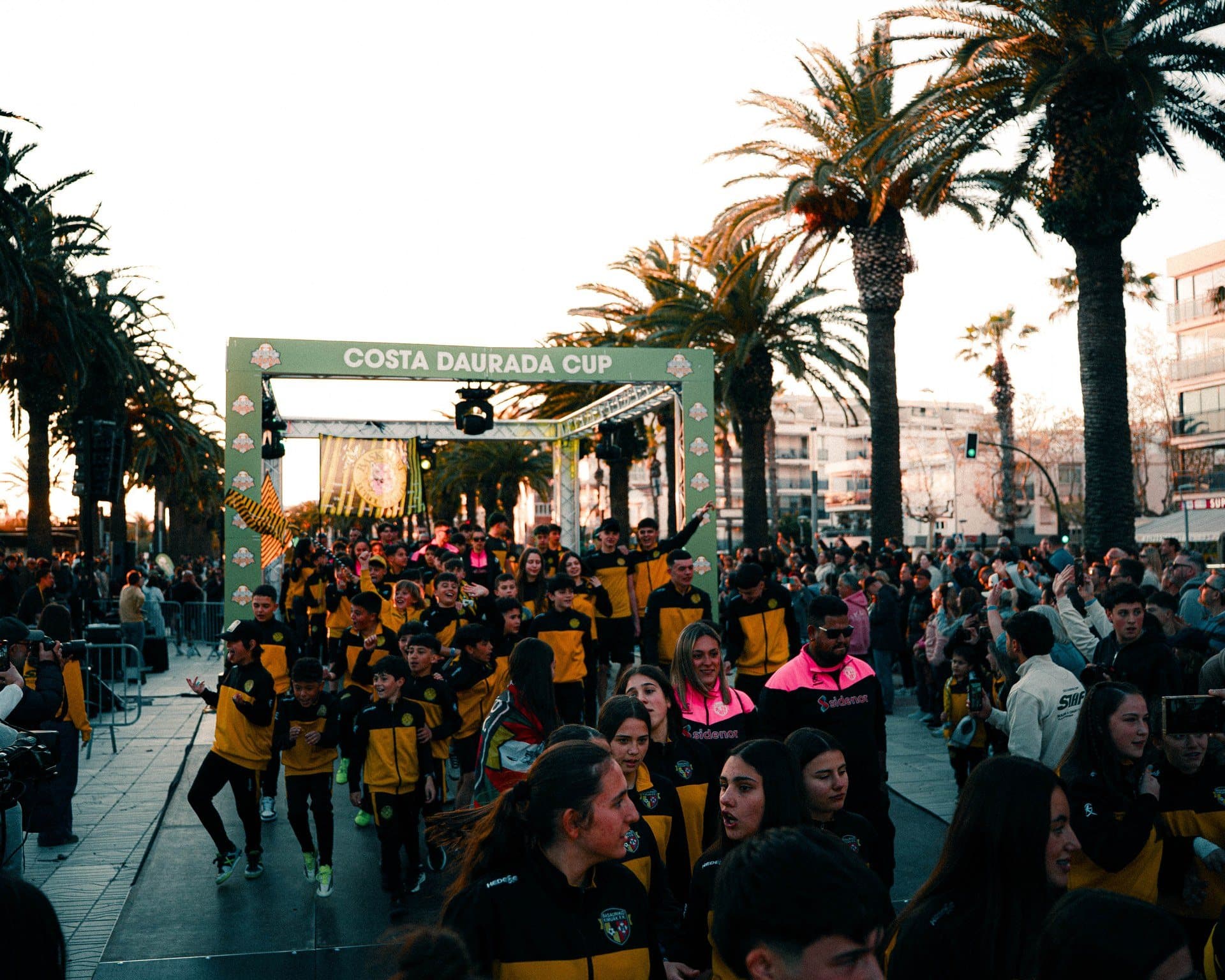
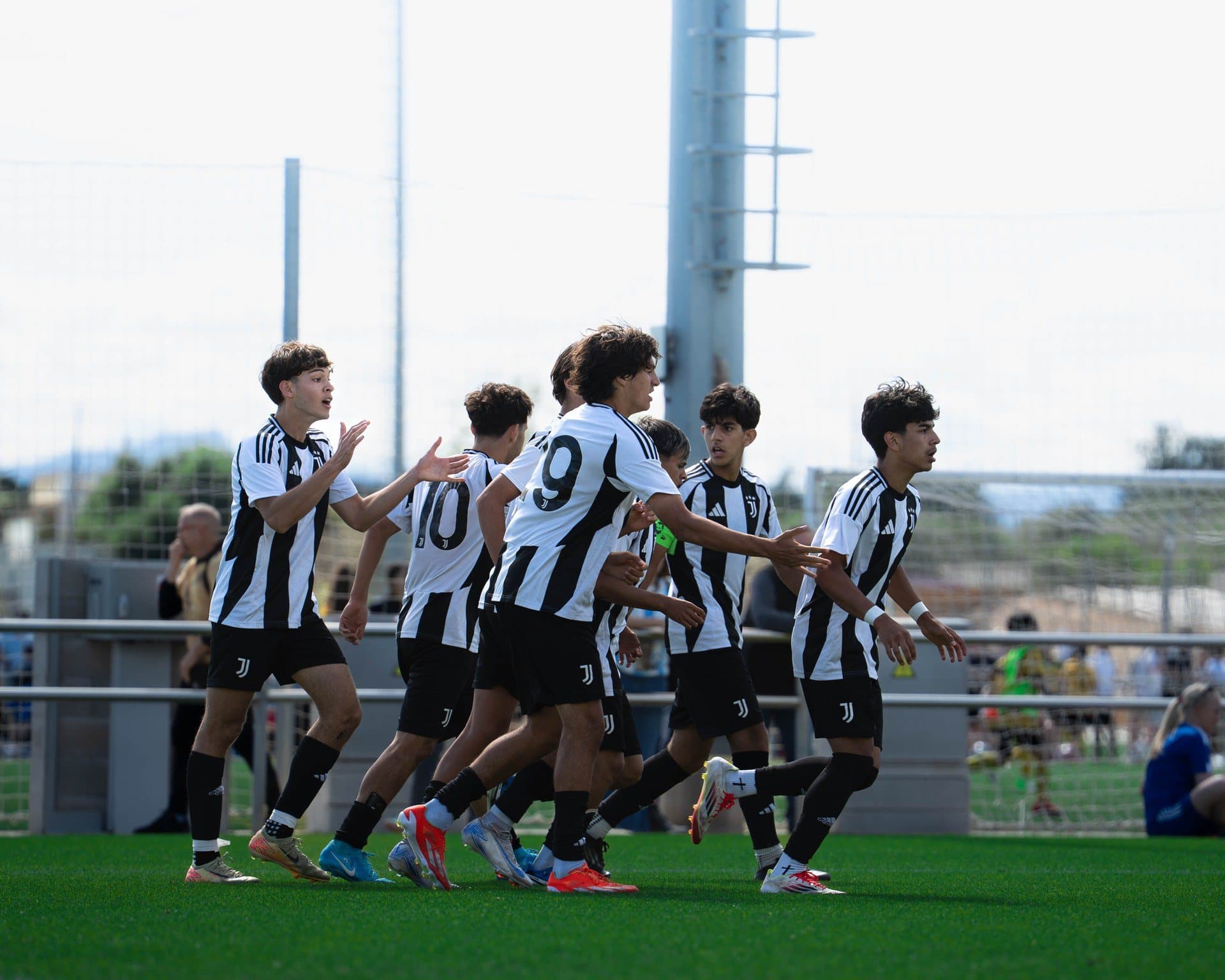
This is where the order of the program pays off. A squad that has spent five days training with professional coaches, played a friendly, and slept properly does not play its group stage like a team of tourists. It plays like a team on form. Between the knockout rounds the free window goes to PortAventura, one of Europe's biggest theme parks, ten minutes from the tournament hotels, which is the correct answer to the question of what to do with forty teenagers between a quarter-final and a semi-final.
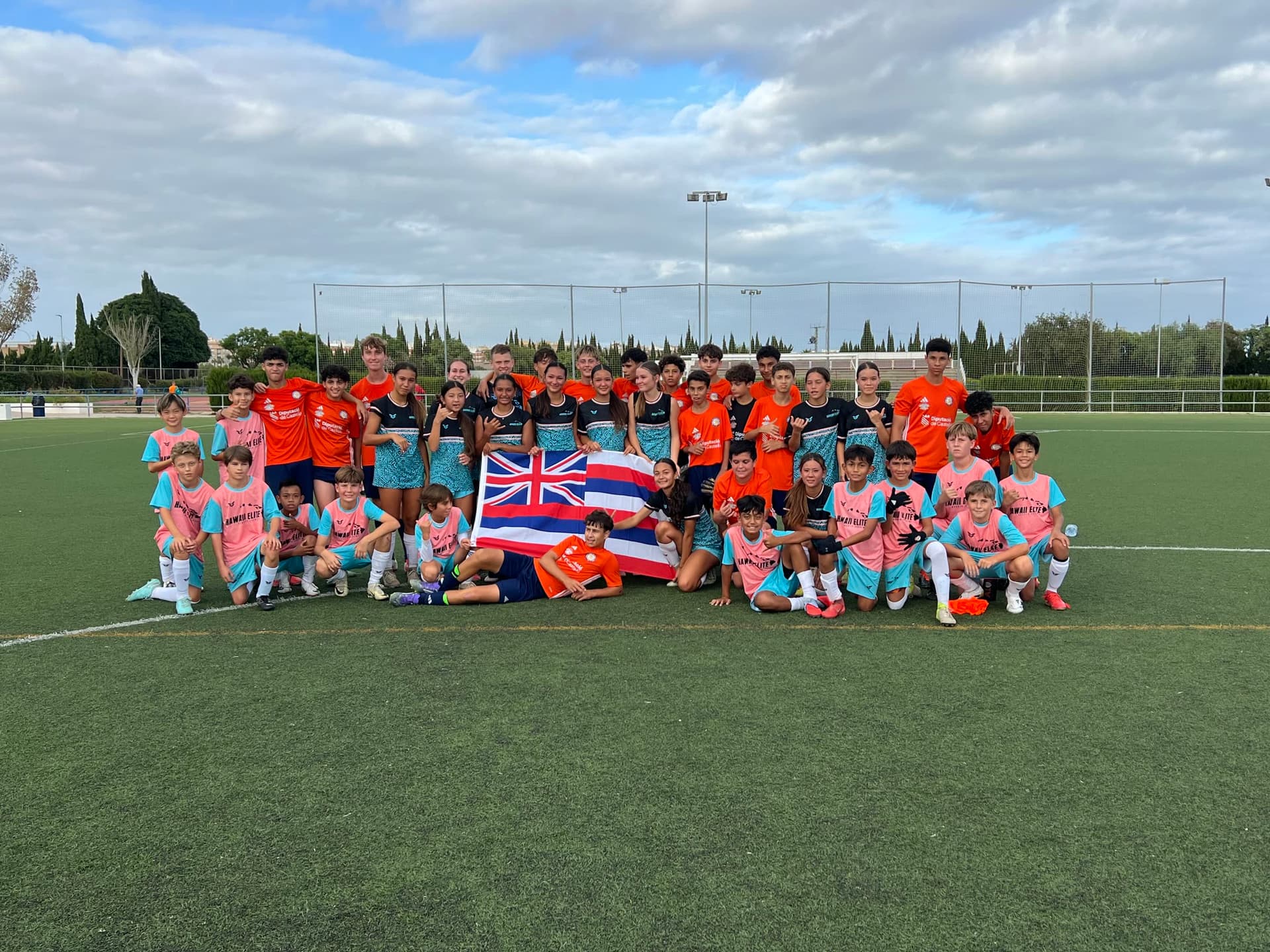
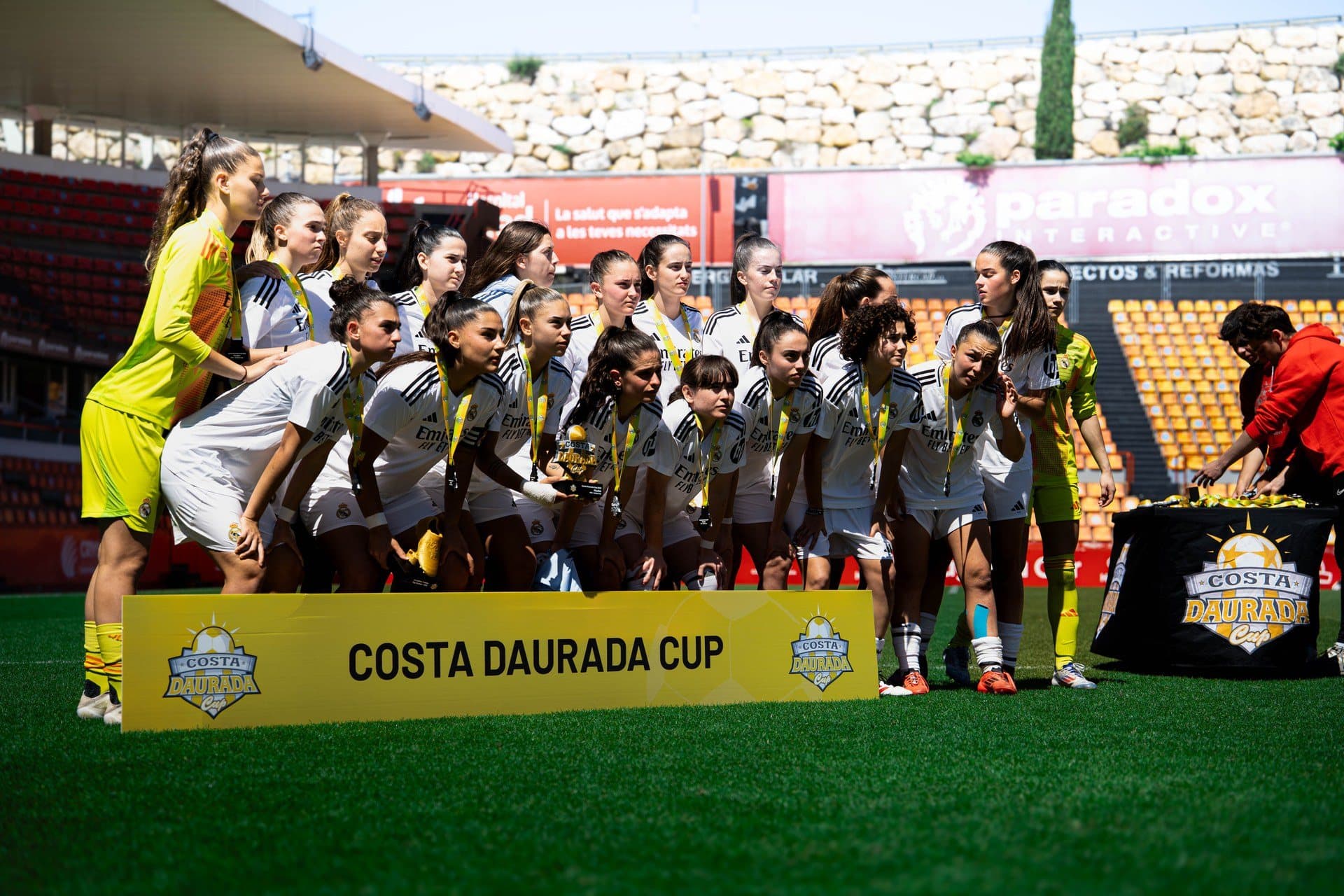
The finals and the podium close the tournament, and whatever the bracket said, the podium photos are the ones the parents print.
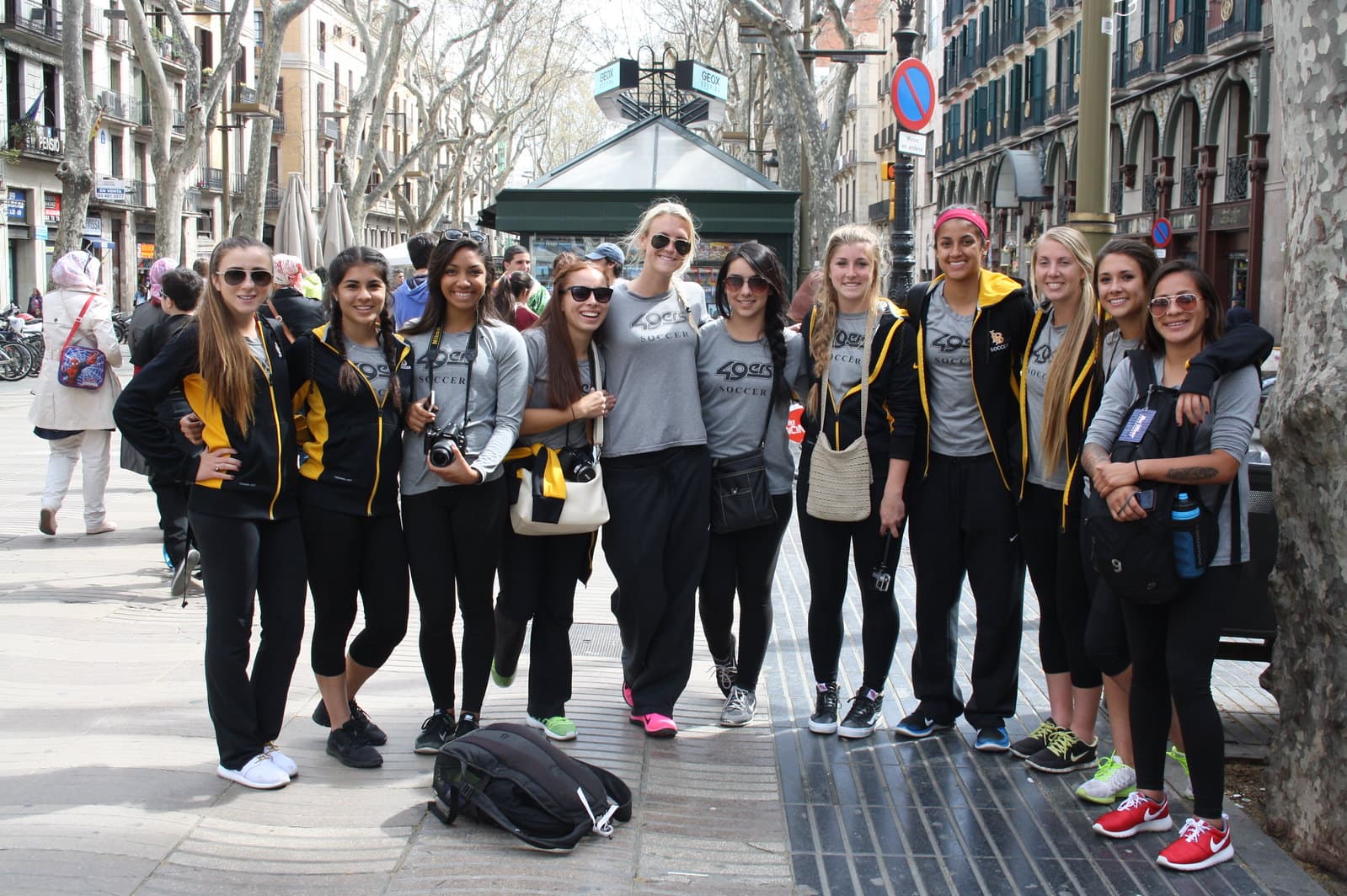
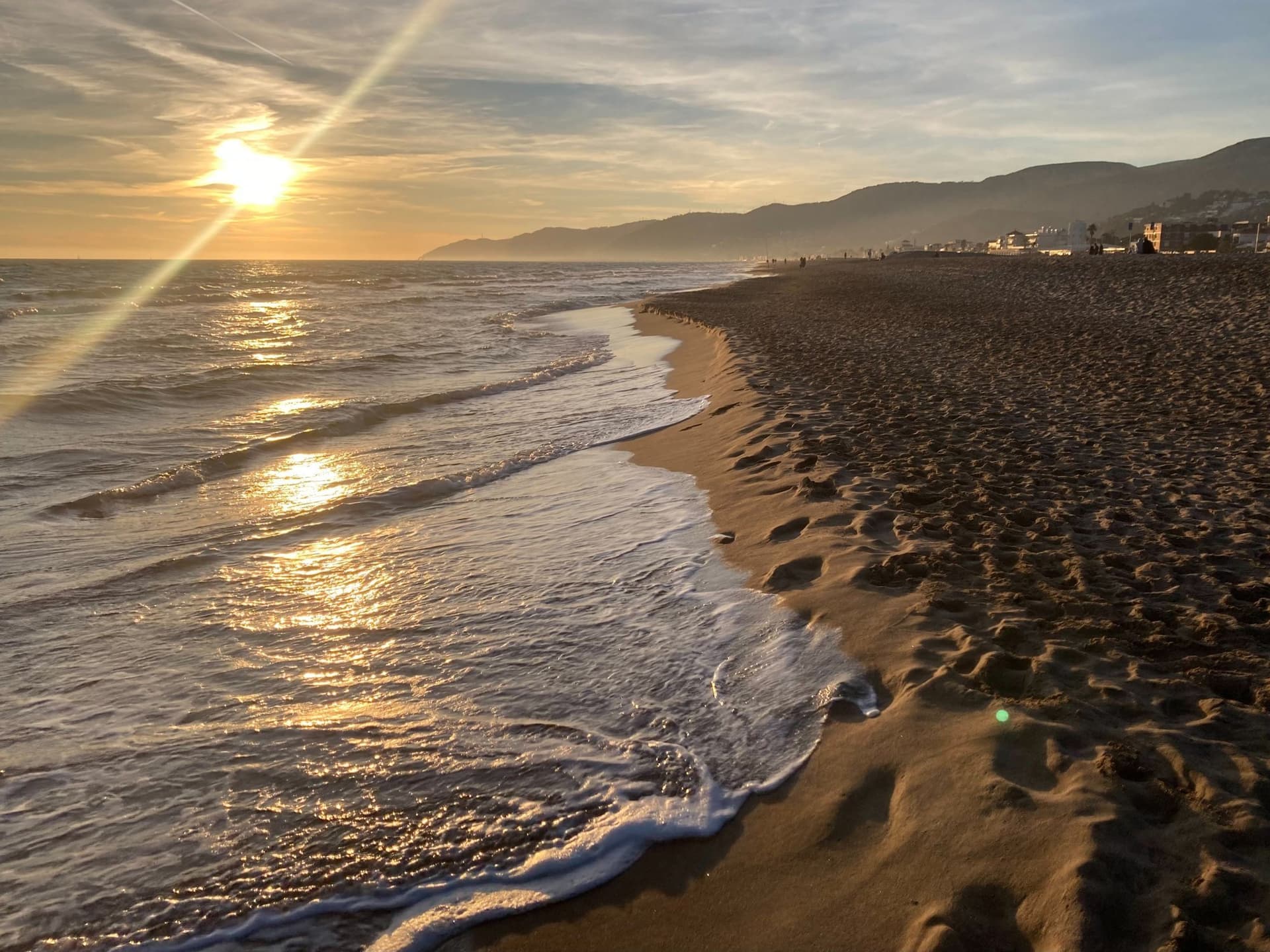
From the Costa Daurada it is a short run up the coast to the Barcelona area for the last two nights. The full Barcelona day is the classic pairing done at the right pace: a guided morning at the Sagrada Família, Camp Nou in the afternoon, and a free Mediterranean evening before the farewell dinner. The last morning is a breakfast by the sea in Castelldefels, the group photo, and a twenty-minute transfer to Barcelona-El Prat. Eleven days after landing in Bilbao, the group flies home from the other end of the country having never driven the same road twice.
This trip is built for competitive youth squads, roughly U12 to U18, that want both halves of a serious Spain trip in one itinerary: a professional training environment they can live inside, and a real international tournament with something at stake. It suits clubs that have already done a first stadium-and-sightseeing tour and want the next level, and it equally suits a strong first-time group whose coaches care more about development than souvenirs. Squads of fifteen to forty players plus staff fit the shape best, and traveling families can be built alongside the team the way we do on all our programs.
The full day-by-day, the hosts and the inclusions live on the Alavés Academy and Costa Daurada Cup program page. If the shape fits your club, the next step is a conversation, not a brochure: tell us your squad size, your players' ages, your staff numbers and whether families travel, and we will draft the eleven-day itinerary against the 2027 tournament dates and price it per person for your group. You can see how we build for American clubs on our tours for US teams page, read the wider picture on the Soccer Tours in Spain pillar, and when you are ready, start planning your tour here.
It is an eleven-day, ten-night youth soccer program that Odisea Tours runs across Spain from north to south. The group flies into Bilbao and spends four nights living at the Baskonia Alavés Academy residence in Vitoria-Gasteiz, training with Deportivo Alavés coaching staff, visiting Mendizorroza stadium and playing a friendly against local Basque opposition, with a recovery day trip to San Sebastián. The group then travels south through Zaragoza to play the Costa Daurada Cup, an international youth tournament on the Catalan coast, and finishes with the Sagrada Família and Camp Nou in Barcelona before flying home from Barcelona-El Prat.
Yes. The on-pitch sessions in Vitoria are led by Deportivo Alavés coaching staff at the Baskonia Alavés Academy, where the group also lives during the Basque leg, and every player receives an academy certificate at the end of the week. These are organized training experiences for visiting teams, arranged through the academy rather than a claim of official partnership, and the session count and times are confirmed in writing before departure.
The Costa Daurada Cup is an international youth soccer tournament played on Catalonia's Costa Daurada, the stretch of coast around Salou, Cambrils and La Pineda south of Barcelona. Teams from across Europe and beyond play an opening ceremony, a group stage, then knockout rounds and finals across roughly three days in late June. On this program the tournament sits in the second half of the trip, after the training week in Vitoria, so the squad arrives match-sharp. The 2027 edition anchors our program running 22 June to 2 July 2027.
The program is one way, with no backtracking: the group flies into Bilbao (BIO), spends the first half of the trip in the Basque Country, and flies home from Barcelona-El Prat (BCN) at the end. A private coach with driver covers everything in between, from the airport welcome in Bilbao to the Vitoria week, the transfer south through Zaragoza, the tournament shuttles on the Costa Daurada and the final run to the Barcelona airport.